Last update
4/3/2026
Reviewed By
Infographics
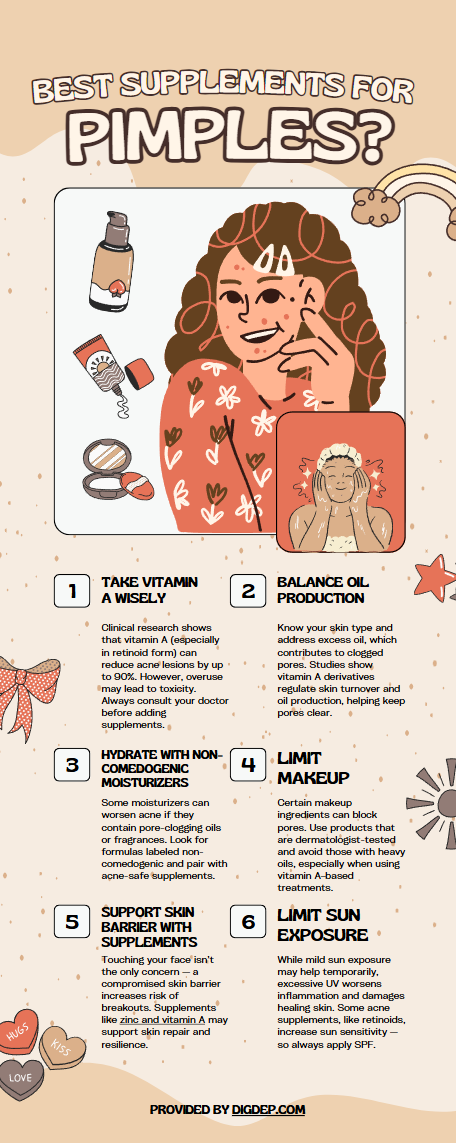
Overview

SCIENTIFIC SCORE
Possibly Effective
Based on 5 Researches
7.4
USERS' SCORE
Good
Based on 5 Reviews
8.1

Supplement Facts
Serving Size: 1 Chewable
Amount Per Serving
%DV
Calories
5
Total Fat
0 g
0%
Sodium
0 mg
0%
Total Carbohydrate
1 g
0%
Total Sugars
less than 1 g
Includes 0 g Added Sugars
0%
Vitamin C*
30 mg
33%
Vitamin D** (as D3)
10 mcg (400 IU)
50%
Kids Probiotic BlendLactobacillus acidophilusLactobacillus gasseriLactobacillus paracaseiLactobacillus plantarumLactobacillus caseiLactobacillus brevisLactobacillus rhamnosusLactobacillus salivariusLactobacillus bulgaricusTotal Lacto Cultures (4 Billion CFU)Bifidobacterium lactisBifidobacterium breveBifidobacterium infantisBifidobacterium bifidumBifidobacterium longumTotal Bifido Cultures (1 Billion CFU)
71 mg
+
Total Probiotic Cultures
5 Billion CFU1
Organic Prebiotic Fiber BlendOrganic Acacia Fiber (A. senegal), Organic Whole Cranberry (Vaccinium macrocarpon) (fruit), Organic Emblic (Amla, Phyllanthus emblica) (fruit) Extract
310 mg
+
Top Medical Research Studies
8
We examined the antibacterial and anti-inflammatory effects of Bifidobacterium in relation to acne. Our findings showed that certain strains, including Bifidobacterium longum, significantly lowered the viability of acne-causing bacteria. We also found that these strains reduced harmful inflammatory markers in cell tests.
Ultimately, while Bifidobacterium longum showed promise in reducing acne-related bacteria, the study suggests Bifidobacterium adolescentis may be more effective in tackling the problem.
Ultimately, while Bifidobacterium longum showed promise in reducing acne-related bacteria, the study suggests Bifidobacterium adolescentis may be more effective in tackling the problem.
Read More
7
We explored the connection between probiotics, particularly Lactobacillus acidophilus, and acne, delving into the gut-brain-skin axis. This long-standing theory suggests that our emotional states can impact gut health, potentially leading to acne due to inflammation and other factors.
Recent scientific studies indicate that probiotics might affect acne severity by influencing inflammation and even mood. However, while the relationship between gut health and skin clarity is intriguing, we did not find strong evidence conclusively linking Lactobacillus acidophilus treatment to significant improvements in acne.
Recent scientific studies indicate that probiotics might affect acne severity by influencing inflammation and even mood. However, while the relationship between gut health and skin clarity is intriguing, we did not find strong evidence conclusively linking Lactobacillus acidophilus treatment to significant improvements in acne.
Read More
7
We explored the connection between gut health and acne, particularly the impact of Lactobacillus acidophilus. Historically, researchers like Stokes and Pillsbury suggested that our emotional states and gut microflora could influence skin conditions, including acne. Their idea that probiotics might help reduce inflammation and improve skin health has gained traction. While recent studies validate some aspects of this gut-brain-skin link, Lactobacillus acidophilus is still being examined for its specific role in treating acne effectively. Current results indicate that we might not yet see significant improvements directly attributed to this probiotic.
Read More
Most Useful Reviews
8
Facial pimples gone
Great supplement! I am convinced of its quality. I gave it to my 10-year-old child, and after a week, we've noticed benefits: normalised stool, the pimples on her cheeks have disappeared, and her appetite has improved. She enjoyed the course and has asked for more, so I've ordered additional supplies to maintain her health.
Read More
8
Less pain, fewer pimples
Good probiotic! My child's digestion improved, and he began to complain less of pain; the pimples disappeared.
Read More
7
Visible skin improvements
Perfectly! They work, and there is a result. We are onto our second bottle of probiotics. We've seen visible improvements in my 12-year-old daughter's regular bowel movements and the condition of her skin. Acne has reduced significantly. We will continue taking them, as the intestines only fully restore after six months.
Read More


Medical Researches
SCIENTIFIC SCORE
Possibly Effective
Based on 5 Researches
7.4
- All Researches
8
Through a randomized, double-blind, placebo-controlled study we evaluated a dietary supplement containing probiotics, including lactobacillus salivarius, to see how it affects mild to moderate acne. Over 8 weeks, participants taking the supplement showed significant improvements, including a reduction in inflammatory lesions and sebum production, marking it as a promising add-on treatment for acne. Notably, we observed changes in skin bacteria, suggesting a beneficial shift in skin microbiota. Overall, this supplement may enhance current acne treatments, highlighting the potential of probiotics in skincare.
Read More
8
We examined the antibacterial and anti-inflammatory effects of Bifidobacterium in relation to acne. Our findings showed that certain strains, including Bifidobacterium longum, significantly lowered the viability of acne-causing bacteria. We also found that these strains reduced harmful inflammatory markers in cell tests.
Ultimately, while Bifidobacterium longum showed promise in reducing acne-related bacteria, the study suggests Bifidobacterium adolescentis may be more effective in tackling the problem.
Ultimately, while Bifidobacterium longum showed promise in reducing acne-related bacteria, the study suggests Bifidobacterium adolescentis may be more effective in tackling the problem.
Read More
7
We explored the connection between probiotics, particularly Lactobacillus acidophilus, and acne, delving into the gut-brain-skin axis. This long-standing theory suggests that our emotional states can impact gut health, potentially leading to acne due to inflammation and other factors.
Recent scientific studies indicate that probiotics might affect acne severity by influencing inflammation and even mood. However, while the relationship between gut health and skin clarity is intriguing, we did not find strong evidence conclusively linking Lactobacillus acidophilus treatment to significant improvements in acne.
Recent scientific studies indicate that probiotics might affect acne severity by influencing inflammation and even mood. However, while the relationship between gut health and skin clarity is intriguing, we did not find strong evidence conclusively linking Lactobacillus acidophilus treatment to significant improvements in acne.
Read More
7
We explored the connection between gut health and acne, particularly the impact of Lactobacillus acidophilus. Historically, researchers like Stokes and Pillsbury suggested that our emotional states and gut microflora could influence skin conditions, including acne. Their idea that probiotics might help reduce inflammation and improve skin health has gained traction. While recent studies validate some aspects of this gut-brain-skin link, Lactobacillus acidophilus is still being examined for its specific role in treating acne effectively. Current results indicate that we might not yet see significant improvements directly attributed to this probiotic.
Read More
We aimed to examine whether Lactobacillus salivarius LS03 could effectively combat acne by targeting the bacteria Propionibacterium acnes and reducing inflammation. In our study, we used a sophisticated assessment method to analyze the antibacterial effects and the strain's ability to inhibit the release of interleukin-8, a key inflammatory marker.
While our findings suggest L. salivarius LS03 may serve as a potential alternative to traditional acne treatments, further research is needed to fully establish its benefits.
While our findings suggest L. salivarius LS03 may serve as a potential alternative to traditional acne treatments, further research is needed to fully establish its benefits.
Read More
User Reviews
USERS' SCORE
Good
Based on 5 Reviews
8.1
- All Reviews
- Positive Reviews
- Negative Reviews
8
Facial pimples gone
Great supplement! I am convinced of its quality. I gave it to my 10-year-old child, and after a week, we've noticed benefits: normalised stool, the pimples on her cheeks have disappeared, and her appetite has improved. She enjoyed the course and has asked for more, so I've ordered additional supplies to maintain her health.
Read More
8
Less pain, fewer pimples
Good probiotic! My child's digestion improved, and he began to complain less of pain; the pimples disappeared.
Read More
7
Visible skin improvements
Perfectly! They work, and there is a result. We are onto our second bottle of probiotics. We've seen visible improvements in my 12-year-old daughter's regular bowel movements and the condition of her skin. Acne has reduced significantly. We will continue taking them, as the intestines only fully restore after six months.
Read More
7
Pimples disappeared
Good probiotic. We finished the course. My 2.7-year-old liked the taste, and small pimples disappeared. I recommend it.
Read More
6
Reduced hand pimples
Very tasty! This probiotic was recommended by our paediatrician as my child had some pimples on his hands.
Read More
Frequently Asked Questions
No FAQs are available for this product and symptom.
References
- Bowe W, Patel NB, Logan AC. Acne vulgaris, probiotics and the gut-brain-skin axis: from anecdote to translational medicine. Benef Microbes. 2014;5:185. 10.3920/BM2012.0060
- Bowe WP, Logan AC. Acne vulgaris, probiotics and the gut-brain-skin axis - back to the future?. Gut Pathog. 2011;3:1. 10.1186/1757-4749-3-1
- Rinaldi F, Marotta L, Mascolo A, Amoruso A, Pane M, et al. Facial Acne: A Randomized, Double-Blind, Placebo-Controlled Study on the Clinical Efficacy of a Symbiotic Dietary Supplement. Dermatol Ther (Heidelb). 2022;12:577. 10.1007/s13555-021-00664-z
- Deidda F, Amoruso A, Nicola S, Graziano T, Pane M, et al. New Approach in Acne Therapy: A Specific Bacteriocin Activity and a Targeted Anti IL-8 Property in Just 1 Probiotic Strain, the L. salivarius LS03. J Clin Gastroenterol. 2018;52 Suppl 1, Proceedings from the 9th Probiotics, Prebiotics and New Foods, Nutraceuticals and Botanicals for Nutrition & Human and Microbiota Health Meeting, held in Rome, Italy from September 10 to 12, 2017:S78. 10.1097/MCG.0000000000001053
- Lee DK, Kim MJ, Ham JW, An HM, Cha MK, et al. In vitro evaluation of antibacterial activities and anti-inflammatory effects of Bifidobacterium spp. addressing acne vulgaris. Arch Pharm Res. 2012;35:1065. 10.1007/s12272-012-0614-9
Data last updated:

