Last update
3/14/2026
Reviewed By
Overview
SCIENTIFIC SCORE
Likely Ineffective
Based on 1 Research
4
USERS' SCORE
Good
Based on 3 Reviews
8.4

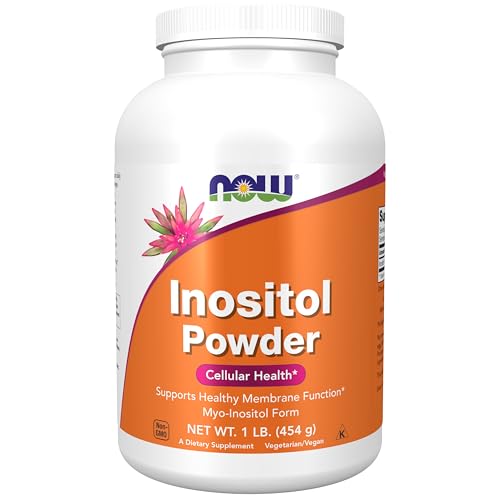
Supplement Facts
Serving Size: 1 Veg Capsule
Amount Per Serving
%DV
Inositol
500 mg
**
Top Medical Research Studies
4
Inositol synthesis and hair loss
We explored whether inositol, when paired with pantothenic acid, impacts hair health in mice. The study revealed that mice can synthesize inositol, but this synthesis relies heavily on the presence of pantothenic acid in their diet. When pantothenic acid was absent, inositol production did not occur.
We noticed that cultures taken from the intestines of mice that naturally recovered from hair loss produced significantly higher levels of inositol. In contrast, similar cultures from hairless mice generated much less inositol. Additionally, we observed that inositol exists in both free and combined forms within various biological materials. Strikingly, we found that a deficit of inositol can arise even if inositol is dietary, provided pantothenic acid is missing.
Overall, though this research provides insights into inositol's synthesis and its connection with hair loss, it does not conclusively demonstrate that inositol alone effectively treats hair loss—particularly in the absence of pantothenic acid.
We noticed that cultures taken from the intestines of mice that naturally recovered from hair loss produced significantly higher levels of inositol. In contrast, similar cultures from hairless mice generated much less inositol. Additionally, we observed that inositol exists in both free and combined forms within various biological materials. Strikingly, we found that a deficit of inositol can arise even if inositol is dietary, provided pantothenic acid is missing.
Overall, though this research provides insights into inositol's synthesis and its connection with hair loss, it does not conclusively demonstrate that inositol alone effectively treats hair loss—particularly in the absence of pantothenic acid.
Read More
Most Useful Reviews
9
Thicker hair now
68 people found this helpful
Promotes hair growth! Years ago, I faced severe hair loss, including thinning and bald spots. I tried numerous remedies like biotin and special shampoos without success as I was severely anaemic. Eventually, I discovered that insufficient iron causes hair loss in women. After trying inositol powder, I saw remarkable results within a month—my bald spots filled in, and my hair became noticeably thicker. I've returned for more and continue to research related health supplements.
Read More
6
Weight gain issue
19 people found this helpful
Cured acne, but caused weight gain. I used this product for six months and found it cleared my cystic acne from evening primrose oil while helping with some hair regrowth linked to PCOS. Unfortunately, I gained ten pounds, which I didn't want. I switched to D-Chiro Inositol, which offers similar benefits without the weight gain.
Read More
7
Stopped hair loss
6 people found this helpful
Five stars! A great product that dissolves easily in water. I believe it has stopped the hair loss I noticed while showering.
Read More


Medical Researches
SCIENTIFIC SCORE
Likely Ineffective
Based on 1 Research
4
- All Researches
4
Inositol synthesis and hair loss
We explored whether inositol, when paired with pantothenic acid, impacts hair health in mice. The study revealed that mice can synthesize inositol, but this synthesis relies heavily on the presence of pantothenic acid in their diet. When pantothenic acid was absent, inositol production did not occur.
We noticed that cultures taken from the intestines of mice that naturally recovered from hair loss produced significantly higher levels of inositol. In contrast, similar cultures from hairless mice generated much less inositol. Additionally, we observed that inositol exists in both free and combined forms within various biological materials. Strikingly, we found that a deficit of inositol can arise even if inositol is dietary, provided pantothenic acid is missing.
Overall, though this research provides insights into inositol's synthesis and its connection with hair loss, it does not conclusively demonstrate that inositol alone effectively treats hair loss—particularly in the absence of pantothenic acid.
We noticed that cultures taken from the intestines of mice that naturally recovered from hair loss produced significantly higher levels of inositol. In contrast, similar cultures from hairless mice generated much less inositol. Additionally, we observed that inositol exists in both free and combined forms within various biological materials. Strikingly, we found that a deficit of inositol can arise even if inositol is dietary, provided pantothenic acid is missing.
Overall, though this research provides insights into inositol's synthesis and its connection with hair loss, it does not conclusively demonstrate that inositol alone effectively treats hair loss—particularly in the absence of pantothenic acid.
Read More
User Reviews
USERS' SCORE
Good
Based on 3 Reviews
8.4
- All Reviews
- Positive Reviews
- Negative Reviews
9
Thicker hair now
68 people found this helpful
Promotes hair growth! Years ago, I faced severe hair loss, including thinning and bald spots. I tried numerous remedies like biotin and special shampoos without success as I was severely anaemic. Eventually, I discovered that insufficient iron causes hair loss in women. After trying inositol powder, I saw remarkable results within a month—my bald spots filled in, and my hair became noticeably thicker. I've returned for more and continue to research related health supplements.
Read More
6
Weight gain issue
19 people found this helpful
Cured acne, but caused weight gain. I used this product for six months and found it cleared my cystic acne from evening primrose oil while helping with some hair regrowth linked to PCOS. Unfortunately, I gained ten pounds, which I didn't want. I switched to D-Chiro Inositol, which offers similar benefits without the weight gain.
Read More
7
Stopped hair loss
6 people found this helpful
Five stars! A great product that dissolves easily in water. I believe it has stopped the hair loss I noticed while showering.
Read More
Frequently Asked Questions
4
Inositol synthesis and hair loss
We explored whether inositol, when paired with pantothenic acid, impacts hair health in mice. The study revealed that mice can synthesize inositol, but this synthesis relies heavily on the presence of pantothenic acid in their diet. When pantothenic acid was absent, inositol production did not occur.
We noticed that cultures taken from the intestines of mice that naturally recovered from hair loss produced significantly higher levels of inositol. In contrast, similar cultures from hairless mice generated much less inositol. Additionally, we observed that inositol exists in both free and combined forms within various biological materials. Strikingly, we found that a deficit of inositol can arise even if inositol is dietary, provided pantothenic acid is missing.
Overall, though this research provides insights into inositol's synthesis and its connection with hair loss, it does not conclusively demonstrate that inositol alone effectively treats hair loss—particularly in the absence of pantothenic acid.
We noticed that cultures taken from the intestines of mice that naturally recovered from hair loss produced significantly higher levels of inositol. In contrast, similar cultures from hairless mice generated much less inositol. Additionally, we observed that inositol exists in both free and combined forms within various biological materials. Strikingly, we found that a deficit of inositol can arise even if inositol is dietary, provided pantothenic acid is missing.
Overall, though this research provides insights into inositol's synthesis and its connection with hair loss, it does not conclusively demonstrate that inositol alone effectively treats hair loss—particularly in the absence of pantothenic acid.
References
- Woolley DW. SYNTHESIS OF INOSITOL IN MICE. J Exp Med. 1942;75:277. PubMed
Data last updated:

