Last update
3/10/2026
Reviewed By
Infographics
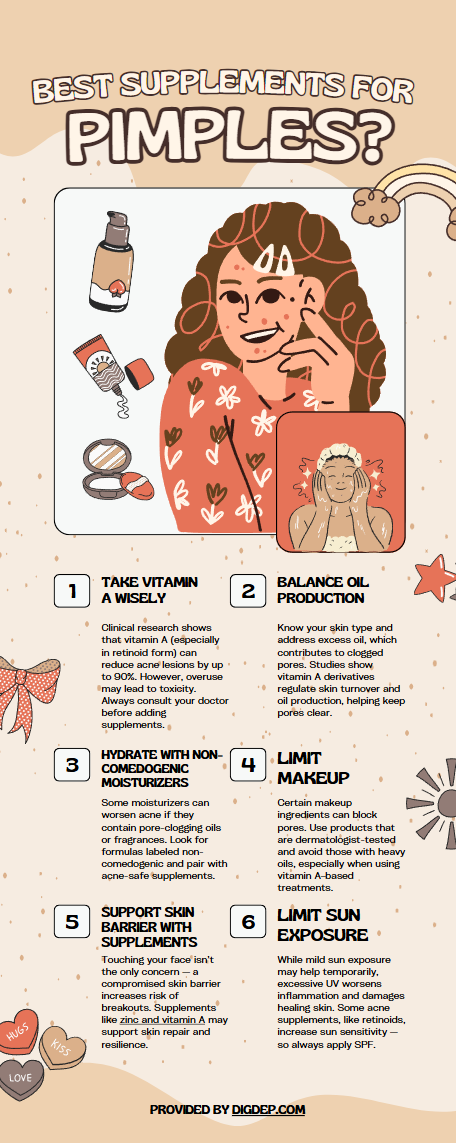
Overview

SCIENTIFIC SCORE
Moderately Effective
Based on 5 Researches
8.1
USERS' SCORE
Good
Based on 4 Reviews
8

Supplement Facts
Serving Size: 1 Veg Capsule
Amount Per Serving
%DV
Magnesium (elemental) (from Magnesium Oxide, Magnesium Citrate and Magnesium Aspartate)
400 mg
95%
Top Medical Research Studies
8
This study looks into how mesoporous magnesium carbonate (MMC) can help with acne by reducing bacteria that thrive on our skin. We used a specific Gram-positive bacterium considered a common culprit in acne lesions. To ensure our results were reliable, we measured bacterial activity using a metabolic assay.
Our findings revealed that MMC exhibits a strong antibacterial effect against this acne-related bacterium. A significant factor contributing to its effectiveness is the material's alkalinity. This suggests that MMC could be developed further as a skincare ingredient aimed at inhibiting bacterial growth, providing an alternative to traditional antibiotic treatments.
Overall, we see promising potential for MMC in topical applications, especially for those looking for non-antibiotic solutions to manage acne and maintain skin health.
Our findings revealed that MMC exhibits a strong antibacterial effect against this acne-related bacterium. A significant factor contributing to its effectiveness is the material's alkalinity. This suggests that MMC could be developed further as a skincare ingredient aimed at inhibiting bacterial growth, providing an alternative to traditional antibiotic treatments.
Overall, we see promising potential for MMC in topical applications, especially for those looking for non-antibiotic solutions to manage acne and maintain skin health.
Read More
8
We explored how magnesium ascorbyl phosphate (MAP), a stable form of vitamin C, can impact the inflammatory processes associated with acne. Our study focused on cultured sebocytes, the skin cells that produce sebum, and examined how they respond to both MAP and lipopolysaccharide (LPS), a substance known to trigger inflammation.
Using methods such as reverse transcription-polymerase chain reaction and enzyme-linked immunosorbent assay, we evaluated how these treatments affected the expression of inflammatory markers, cytokines, and other related proteins. Surprisingly, we found that while LPS increased inflammation, the introduction of MAP either by itself or in combination with LPS significantly reduced this inflammatory response.
Additionally, lipid peroxidation, a marker of oxidative stress, was notably lowered after applying MAP. This suggests that MAP not only helps reduce inflammation but might also combat oxidative damage in skin cells related to acne.
Overall, our findings suggest that MAP could be a promising alternative treatment strategy for managing acne and its associated inflammation.
Using methods such as reverse transcription-polymerase chain reaction and enzyme-linked immunosorbent assay, we evaluated how these treatments affected the expression of inflammatory markers, cytokines, and other related proteins. Surprisingly, we found that while LPS increased inflammation, the introduction of MAP either by itself or in combination with LPS significantly reduced this inflammatory response.
Additionally, lipid peroxidation, a marker of oxidative stress, was notably lowered after applying MAP. This suggests that MAP not only helps reduce inflammation but might also combat oxidative damage in skin cells related to acne.
Overall, our findings suggest that MAP could be a promising alternative treatment strategy for managing acne and its associated inflammation.
Read More
8
We explored how the combination of myo-inositol and microlipodispersed magnesium can help manage acne in women with polycystic ovary syndrome (PCOS). Over a six-month period, we observed improvements in acne severity and related symptoms after administering a specific nutraceutical formulation, LEVIGON™.
Patients experienced significant reductions in body mass index and hormone levels associated with acne, and their quality of life improved. Importantly, no side effects were reported, ensuring high compliance with the treatment. However, we recommend further research for long-term confirmation of these findings.
Patients experienced significant reductions in body mass index and hormone levels associated with acne, and their quality of life improved. Importantly, no side effects were reported, ensuring high compliance with the treatment. However, we recommend further research for long-term confirmation of these findings.
Read More
Most Useful Reviews
6
Sensitive skin friendly
3 people found this helpful
Great! There is no smell, and I use it for my Acne. The quality is still under trial, but I expect it to be suitable for my needs. I find the packaging to be tightly sealed. The formula includes ingredients beneficial for sensitive skin and does not cause allergies. It is quite gentle on my skin. I'm experiencing no concerns at this stage and hope to observe further benefits.
Read More
8
Effective acne control
I simply adore this product! The dosage is great, making it easy to take. The best part is that it controls my Acne beautifully. I have already bought it four times in this size! I definitely recommend it as it’s incredibly effective.
Read More
7
Gentle and effective
This product uses the best quality ingredients and comes in a great size, suitable for all ages. The cleansing clay formula provides many benefits. It's gentle on sensitive skin, gives a good scent, and is effective against Acne. It feels excellent and moisturising, helping to clear out breakouts.
Read More


Medical Researches
SCIENTIFIC SCORE
Moderately Effective
Based on 5 Researches
8.1
- All Researches
9.5
We examined how dietary supplementation with magnesium, among other nutrients, could help treat acne vulgaris. In a six-month study, one group received this natural supplement while another was given isotretinoin.
Notably, all participants in the magnesium group reported complete regression of their symptoms, contrasting with 68% in the isotretinoin group. This significant difference suggests that magnesium can be highly effective for acne treatment, offering a promising alternative with fewer side effects.
Notably, all participants in the magnesium group reported complete regression of their symptoms, contrasting with 68% in the isotretinoin group. This significant difference suggests that magnesium can be highly effective for acne treatment, offering a promising alternative with fewer side effects.
Read More
8
This study looks into how mesoporous magnesium carbonate (MMC) can help with acne by reducing bacteria that thrive on our skin. We used a specific Gram-positive bacterium considered a common culprit in acne lesions. To ensure our results were reliable, we measured bacterial activity using a metabolic assay.
Our findings revealed that MMC exhibits a strong antibacterial effect against this acne-related bacterium. A significant factor contributing to its effectiveness is the material's alkalinity. This suggests that MMC could be developed further as a skincare ingredient aimed at inhibiting bacterial growth, providing an alternative to traditional antibiotic treatments.
Overall, we see promising potential for MMC in topical applications, especially for those looking for non-antibiotic solutions to manage acne and maintain skin health.
Our findings revealed that MMC exhibits a strong antibacterial effect against this acne-related bacterium. A significant factor contributing to its effectiveness is the material's alkalinity. This suggests that MMC could be developed further as a skincare ingredient aimed at inhibiting bacterial growth, providing an alternative to traditional antibiotic treatments.
Overall, we see promising potential for MMC in topical applications, especially for those looking for non-antibiotic solutions to manage acne and maintain skin health.
Read More
8
We explored how magnesium ascorbyl phosphate (MAP), a stable form of vitamin C, can impact the inflammatory processes associated with acne. Our study focused on cultured sebocytes, the skin cells that produce sebum, and examined how they respond to both MAP and lipopolysaccharide (LPS), a substance known to trigger inflammation.
Using methods such as reverse transcription-polymerase chain reaction and enzyme-linked immunosorbent assay, we evaluated how these treatments affected the expression of inflammatory markers, cytokines, and other related proteins. Surprisingly, we found that while LPS increased inflammation, the introduction of MAP either by itself or in combination with LPS significantly reduced this inflammatory response.
Additionally, lipid peroxidation, a marker of oxidative stress, was notably lowered after applying MAP. This suggests that MAP not only helps reduce inflammation but might also combat oxidative damage in skin cells related to acne.
Overall, our findings suggest that MAP could be a promising alternative treatment strategy for managing acne and its associated inflammation.
Using methods such as reverse transcription-polymerase chain reaction and enzyme-linked immunosorbent assay, we evaluated how these treatments affected the expression of inflammatory markers, cytokines, and other related proteins. Surprisingly, we found that while LPS increased inflammation, the introduction of MAP either by itself or in combination with LPS significantly reduced this inflammatory response.
Additionally, lipid peroxidation, a marker of oxidative stress, was notably lowered after applying MAP. This suggests that MAP not only helps reduce inflammation but might also combat oxidative damage in skin cells related to acne.
Overall, our findings suggest that MAP could be a promising alternative treatment strategy for managing acne and its associated inflammation.
Read More
8
We explored how the combination of myo-inositol and microlipodispersed magnesium can help manage acne in women with polycystic ovary syndrome (PCOS). Over a six-month period, we observed improvements in acne severity and related symptoms after administering a specific nutraceutical formulation, LEVIGON™.
Patients experienced significant reductions in body mass index and hormone levels associated with acne, and their quality of life improved. Importantly, no side effects were reported, ensuring high compliance with the treatment. However, we recommend further research for long-term confirmation of these findings.
Patients experienced significant reductions in body mass index and hormone levels associated with acne, and their quality of life improved. Importantly, no side effects were reported, ensuring high compliance with the treatment. However, we recommend further research for long-term confirmation of these findings.
Read More
7
In our study, we explored the connection between magnesium levels and acne in women with polycystic ovary syndrome (PCOS). We involved 1137 women, analyzing their serum levels of macroelements and microelements through established blood tests. Our findings revealed that PCOS patients who experienced acne had higher magnesium levels compared to those without acne.
However, while we noted this increase, it’s important to clarify that we did not directly assess the effects of magnesium treatment on acne. Therefore, we cannot definitively conclude that increasing magnesium would improve acne outcomes. This insight leads us to consider magnesium's potential role in acne but also highlights the need for further research to establish a clear causal link between magnesium treatment and acne improvement.
However, while we noted this increase, it’s important to clarify that we did not directly assess the effects of magnesium treatment on acne. Therefore, we cannot definitively conclude that increasing magnesium would improve acne outcomes. This insight leads us to consider magnesium's potential role in acne but also highlights the need for further research to establish a clear causal link between magnesium treatment and acne improvement.
Read More
User Reviews
USERS' SCORE
Good
Based on 4 Reviews
8
- All Reviews
- Positive Reviews
- Negative Reviews
6
Sensitive skin friendly
3 people found this helpful
Great! There is no smell, and I use it for my Acne. The quality is still under trial, but I expect it to be suitable for my needs. I find the packaging to be tightly sealed. The formula includes ingredients beneficial for sensitive skin and does not cause allergies. It is quite gentle on my skin. I'm experiencing no concerns at this stage and hope to observe further benefits.
Read More
8
Effective acne control
I simply adore this product! The dosage is great, making it easy to take. The best part is that it controls my Acne beautifully. I have already bought it four times in this size! I definitely recommend it as it’s incredibly effective.
Read More
7
Gentle and effective
This product uses the best quality ingredients and comes in a great size, suitable for all ages. The cleansing clay formula provides many benefits. It's gentle on sensitive skin, gives a good scent, and is effective against Acne. It feels excellent and moisturising, helping to clear out breakouts.
Read More
7
Perfect for sensitive skin
Although I don’t use it daily, the benefits of this scrub are remarkable, leaving my skin satin-like and reducing both Acne and blackheads. My sensitive skin responds well to it, and I find the quantity lasts for at least six months. Just remember to apply a moisturiser after use.
Read More
Frequently Asked Questions
No FAQs are available for this product and symptom.
References
- Welch K, Latifzada MA, Frykstrand S, Strømme M. Investigation of the Antibacterial Effect of Mesoporous Magnesium Carbonate. ACS Omega. 2016;1:907. 10.1021/acsomega.6b00124
- Li M, Tang Y, Lin C, Huang Q, Lei D, et al. Serum Macroelement and Microelement Concentrations in Patients with Polycystic Ovary Syndrome: a Cross-Sectional Study. Biol Trace Elem Res. 2017;176:73. 10.1007/s12011-016-0782-4
- Lee WJ, Kim SL, Choe YS, Jang YH, Lee SJ, et al. Magnesium Ascorbyl Phosphate Regulates the Expression of Inflammatory Biomarkers in Cultured Sebocytes. Ann Dermatol. 2015;27:376. 10.5021/ad.2015.27.4.376
- Pezza M, Carlomagno V, Sammarco E, Trischitta A, Ceddia C, et al. Association of Myo-Inositol and Microlipodispersed Magnesium in Androgen-Dependent Dermatological Diseases: A Retrospective Study. Pharmaceuticals (Basel). 2025;18. 10.3390/ph18020251
- de Souza Pereira R. Treatment of Resistant Acne Vulgaris in Adolescents Using Dietary Supplementation with Magnesium, Phosphate and Fatty Acids (Omega 6 and 7): Comparison with 13-Cis-Retinoic Acid. J Diet Suppl. 2023;20:706. 10.1080/19390211.2022.2100550
Data last updated:

