Last update
3/19/2026
Reviewed By
Overview
SCIENTIFIC SCORE
Possibly Effective
Based on 1 Research
7
USERS' SCORE
Good
Based on 1 Review
8.5

Supplement Facts
Serving Size: 1 Tablet
Amount Per Serving
%DV
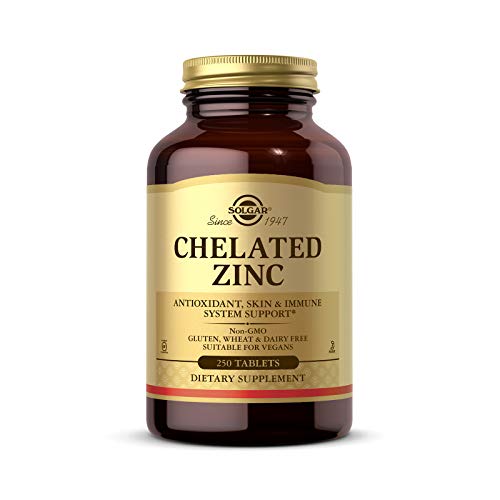
Zinc (as zinc glycinate amino acid chelate†)
22 mg
200%
Top Medical Research Studies
7
We examined how dietary intakes of vitamins and minerals, particularly zinc, could influence the onset and presence of tinnitus, a condition characterized by phantom sounds in the ears. In a study involving nearly 3,000 participants over the age of 50, we identified cases of tinnitus to determine if their dietary habits played a role in their experience of this condition.
The findings indicated that while there were no significant associations between overall vitamin and mineral intake and existing tinnitus prevalence, zinc intake stood out in relation to developing tinnitus over time. Specifically, we observed that lower zinc consumption was linked to a 44% increased risk of experiencing tinnitus over a ten-year period.
Furthermore, we noted that iron intake also showed a significant correlation, with lower iron levels raising incident tinnitus risk by approximately 35%. These results highlight the potential importance of maintaining adequate zinc and iron levels in our diets to help reduce the risk of developing tinnitus.
The findings indicated that while there were no significant associations between overall vitamin and mineral intake and existing tinnitus prevalence, zinc intake stood out in relation to developing tinnitus over time. Specifically, we observed that lower zinc consumption was linked to a 44% increased risk of experiencing tinnitus over a ten-year period.
Furthermore, we noted that iron intake also showed a significant correlation, with lower iron levels raising incident tinnitus risk by approximately 35%. These results highlight the potential importance of maintaining adequate zinc and iron levels in our diets to help reduce the risk of developing tinnitus.
Read More
Most Useful Reviews
9
Great effect
With the tinnitus supplements, the effect is great.
Read More



Medical Researches
SCIENTIFIC SCORE
Possibly Effective
Based on 1 Research
7
- All Researches
7
We examined how dietary intakes of vitamins and minerals, particularly zinc, could influence the onset and presence of tinnitus, a condition characterized by phantom sounds in the ears. In a study involving nearly 3,000 participants over the age of 50, we identified cases of tinnitus to determine if their dietary habits played a role in their experience of this condition.
The findings indicated that while there were no significant associations between overall vitamin and mineral intake and existing tinnitus prevalence, zinc intake stood out in relation to developing tinnitus over time. Specifically, we observed that lower zinc consumption was linked to a 44% increased risk of experiencing tinnitus over a ten-year period.
Furthermore, we noted that iron intake also showed a significant correlation, with lower iron levels raising incident tinnitus risk by approximately 35%. These results highlight the potential importance of maintaining adequate zinc and iron levels in our diets to help reduce the risk of developing tinnitus.
The findings indicated that while there were no significant associations between overall vitamin and mineral intake and existing tinnitus prevalence, zinc intake stood out in relation to developing tinnitus over time. Specifically, we observed that lower zinc consumption was linked to a 44% increased risk of experiencing tinnitus over a ten-year period.
Furthermore, we noted that iron intake also showed a significant correlation, with lower iron levels raising incident tinnitus risk by approximately 35%. These results highlight the potential importance of maintaining adequate zinc and iron levels in our diets to help reduce the risk of developing tinnitus.
Read More
User Reviews
USERS' SCORE
Good
Based on 1 Review
8.5
- All Reviews
- Positive Reviews
- Negative Reviews
9
Great effect
With the tinnitus supplements, the effect is great.
Read More
Frequently Asked Questions
9
Great effect
With the tinnitus supplements, the effect is great.
7
We examined how dietary intakes of vitamins and minerals, particularly zinc, could influence the onset and presence of tinnitus, a condition characterized by phantom sounds in the ears. In a study involving nearly 3,000 participants over the age of 50, we identified cases of tinnitus to determine if their dietary habits played a role in their experience of this condition.
The findings indicated that while there were no significant associations between overall vitamin and mineral intake and existing tinnitus prevalence, zinc intake stood out in relation to developing tinnitus over time. Specifically, we observed that lower zinc consumption was linked to a 44% increased risk of experiencing tinnitus over a ten-year period.
Furthermore, we noted that iron intake also showed a significant correlation, with lower iron levels raising incident tinnitus risk by approximately 35%. These results highlight the potential importance of maintaining adequate zinc and iron levels in our diets to help reduce the risk of developing tinnitus.
The findings indicated that while there were no significant associations between overall vitamin and mineral intake and existing tinnitus prevalence, zinc intake stood out in relation to developing tinnitus over time. Specifically, we observed that lower zinc consumption was linked to a 44% increased risk of experiencing tinnitus over a ten-year period.
Furthermore, we noted that iron intake also showed a significant correlation, with lower iron levels raising incident tinnitus risk by approximately 35%. These results highlight the potential importance of maintaining adequate zinc and iron levels in our diets to help reduce the risk of developing tinnitus.
References
- Tang D, Shekhawat GS, Burlutsky G, Mitchell P, Gopinath B. The Association between Dietary Intakes of Vitamins and Minerals with Tinnitus. Nutrients. 2024;16. 10.3390/nu16152535
Data last updated:

