Last update
3/18/2026
Reviewed By
Overview
SCIENTIFIC SCORE
Possibly Effective
Based on 3 Researches
7
USERS' SCORE
Good
Based on 28 Reviews
8.1

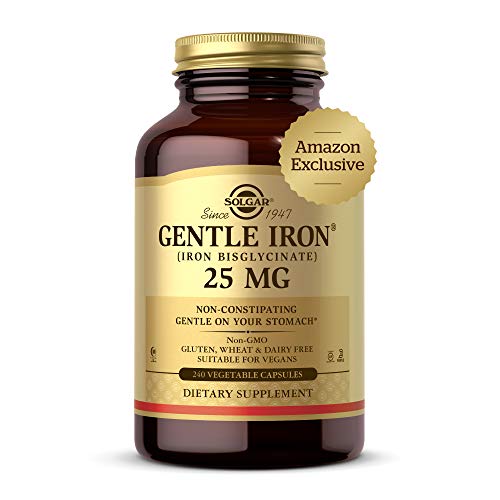
Supplement Facts
Serving Size: 1 Vegetable Capsule
Amount Per Serving
%DV
Iron (as iron bisglycinate chelate†)
25 mg
139%
Top Medical Research Studies
8
Iron nanoparticles show promising antibacterial effects
We investigated how iron oxide nanoparticles can combat bacterial infections in the urinary tract. During our study, we analyzed urine samples from elderly patients and identified various bacterial strains causing infections. By synthesizing iron oxide nanoparticles, we tested their effectiveness against these bacteria.
We found that these nanoparticles displayed strong antibacterial activity, particularly against gram-negative bacteria. The minimum inhibitory concentration demonstrated significant results compared to controls, indicating their potential as a novel treatment option. However, results suggested that while effective, iron oxide nanoparticles’ advantages may not be uniform across all bacteria types.
We found that these nanoparticles displayed strong antibacterial activity, particularly against gram-negative bacteria. The minimum inhibitory concentration demonstrated significant results compared to controls, indicating their potential as a novel treatment option. However, results suggested that while effective, iron oxide nanoparticles’ advantages may not be uniform across all bacteria types.
Read More
4
We investigated how serum iron levels might influence the risk of urinary tract infections (UTIs) and other bacterial infections. Using a method called Mendelian randomization, we analyzed genetic data related to iron levels from various large studies.
Interestingly, our findings suggest that higher iron levels do not significantly increase the risk of most infections. However, we did find that elevated iron stores could be linked to an increased risk of bacterial infections.
Therefore, while iron supplementation appears generally safe, we recommend cautious use during bacterial infections or for individuals prone to them.
Interestingly, our findings suggest that higher iron levels do not significantly increase the risk of most infections. However, we did find that elevated iron stores could be linked to an increased risk of bacterial infections.
Therefore, while iron supplementation appears generally safe, we recommend cautious use during bacterial infections or for individuals prone to them.
Read More
9
Ciprofloxacin-enhanced iron nanoparticle therapy
We explored the effectiveness of superparamagnetic iron oxide nanoparticles (SPIONs) designed to enhance the delivery of ciprofloxacin against resistant E. coli in urinary tract infections.
Targeting the bacteria's fimbriae with mannoside-tagged nanoparticles significantly improved antibacterial activity, achieving up to 97.5% effectiveness.
We also noted impressive biofilm inhibition, confirming that this targeted approach potentially offers a promising alternative for tackling multidrug-resistant infections.
Targeting the bacteria's fimbriae with mannoside-tagged nanoparticles significantly improved antibacterial activity, achieving up to 97.5% effectiveness.
We also noted impressive biofilm inhibition, confirming that this targeted approach potentially offers a promising alternative for tackling multidrug-resistant infections.
Read More
Most Useful Reviews
9
Digestive comfort
8 people found this helpful
Having a history of anaemia, I found many iron preparations hard on my stomach. Solgar is gentle and effective; over 1.5 months, my ferritin improved from 6.2 to 12.6, and I feel optimistic about my health now!
Read More
9
Recommended for ferritin
6 people found this helpful
This iron works well when taken with cofactors, and my ferritin levels rose significantly (without inflammation). It did not worsen my gastrointestinal tract. I highly recommend it.
Read More
10
Effective for anemia
3 people found this helpful
An excellent product! Overall, there's no sensation of taking iron, and I didn't experience any negative impact on my gastrointestinal tract. I managed to overcome severe anaemia swiftly. I sincerely recommend it, particularly when taken with vitamin C from Solgar, although not every day.
Read More


Medical Researches
SCIENTIFIC SCORE
Possibly Effective
Based on 3 Researches
7
- All Researches
9
Ciprofloxacin-enhanced iron nanoparticle therapy
We explored the effectiveness of superparamagnetic iron oxide nanoparticles (SPIONs) designed to enhance the delivery of ciprofloxacin against resistant E. coli in urinary tract infections.
Targeting the bacteria's fimbriae with mannoside-tagged nanoparticles significantly improved antibacterial activity, achieving up to 97.5% effectiveness.
We also noted impressive biofilm inhibition, confirming that this targeted approach potentially offers a promising alternative for tackling multidrug-resistant infections.
Targeting the bacteria's fimbriae with mannoside-tagged nanoparticles significantly improved antibacterial activity, achieving up to 97.5% effectiveness.
We also noted impressive biofilm inhibition, confirming that this targeted approach potentially offers a promising alternative for tackling multidrug-resistant infections.
Read More
8
Iron nanoparticles show promising antibacterial effects
We investigated how iron oxide nanoparticles can combat bacterial infections in the urinary tract. During our study, we analyzed urine samples from elderly patients and identified various bacterial strains causing infections. By synthesizing iron oxide nanoparticles, we tested their effectiveness against these bacteria.
We found that these nanoparticles displayed strong antibacterial activity, particularly against gram-negative bacteria. The minimum inhibitory concentration demonstrated significant results compared to controls, indicating their potential as a novel treatment option. However, results suggested that while effective, iron oxide nanoparticles’ advantages may not be uniform across all bacteria types.
We found that these nanoparticles displayed strong antibacterial activity, particularly against gram-negative bacteria. The minimum inhibitory concentration demonstrated significant results compared to controls, indicating their potential as a novel treatment option. However, results suggested that while effective, iron oxide nanoparticles’ advantages may not be uniform across all bacteria types.
Read More
4
We investigated how serum iron levels might influence the risk of urinary tract infections (UTIs) and other bacterial infections. Using a method called Mendelian randomization, we analyzed genetic data related to iron levels from various large studies.
Interestingly, our findings suggest that higher iron levels do not significantly increase the risk of most infections. However, we did find that elevated iron stores could be linked to an increased risk of bacterial infections.
Therefore, while iron supplementation appears generally safe, we recommend cautious use during bacterial infections or for individuals prone to them.
Interestingly, our findings suggest that higher iron levels do not significantly increase the risk of most infections. However, we did find that elevated iron stores could be linked to an increased risk of bacterial infections.
Therefore, while iron supplementation appears generally safe, we recommend cautious use during bacterial infections or for individuals prone to them.
Read More
User Reviews
USERS' SCORE
Good
Based on 28 Reviews
8.1
- All Reviews
- Positive Reviews
- Negative Reviews
9
Digestive comfort
8 people found this helpful
Having a history of anaemia, I found many iron preparations hard on my stomach. Solgar is gentle and effective; over 1.5 months, my ferritin improved from 6.2 to 12.6, and I feel optimistic about my health now!
Read More
9
Recommended for ferritin
6 people found this helpful
This iron works well when taken with cofactors, and my ferritin levels rose significantly (without inflammation). It did not worsen my gastrointestinal tract. I highly recommend it.
Read More
10
Effective for anemia
3 people found this helpful
An excellent product! Overall, there's no sensation of taking iron, and I didn't experience any negative impact on my gastrointestinal tract. I managed to overcome severe anaemia swiftly. I sincerely recommend it, particularly when taken with vitamin C from Solgar, although not every day.
Read More
9
Quick improvement
3 people found this helpful
Excellent drug, prescribed by a doctor for iron deficiency anaemia. I preferred the chelated iron form, as it is absorbed more easily by the body without irritating the gastrointestinal tract. The capsules are easy to swallow; only one is needed per day, and my iron levels rose to normal fairly quickly.
Read More
9
Increased hemoglobin
1 people found this helpful
This effective iron supplement increased my hemoglobin during pregnancy, leading my doctor to cancel additional prescriptions! However, remember to first ensure your gastrointestinal tract is ready for iron supplements for optimal benefit.
Read More
Frequently Asked Questions
7.5
Stabilised iron levels
35 people found this helpful
THE BEST IRON! This iron is in an easily digestible form. The capsules are large but easy to swallow. I had no gastrointestinal issues or side effects, which is significant. The dizziness I used to experience disappeared, and my dry skin is less pronounced. My hemoglobin and ferritin levels are now normal. Highly recommend this product!
7.5
Anxiety reduced
7 people found this helpful
Under the guidance of a knowledgeable endocrinologist, I switched to chelated iron. After just a week, both my hemoglobin and ferritin levels normalised without causing gastrointestinal discomfort.
9
Ciprofloxacin-enhanced iron nanoparticle therapy
We explored the effectiveness of superparamagnetic iron oxide nanoparticles (SPIONs) designed to enhance the delivery of ciprofloxacin against resistant E. coli in urinary tract infections.
Targeting the bacteria's fimbriae with mannoside-tagged nanoparticles significantly improved antibacterial activity, achieving up to 97.5% effectiveness.
We also noted impressive biofilm inhibition, confirming that this targeted approach potentially offers a promising alternative for tackling multidrug-resistant infections.
Targeting the bacteria's fimbriae with mannoside-tagged nanoparticles significantly improved antibacterial activity, achieving up to 97.5% effectiveness.
We also noted impressive biofilm inhibition, confirming that this targeted approach potentially offers a promising alternative for tackling multidrug-resistant infections.
8
Iron nanoparticles show promising antibacterial effects
We investigated how iron oxide nanoparticles can combat bacterial infections in the urinary tract. During our study, we analyzed urine samples from elderly patients and identified various bacterial strains causing infections. By synthesizing iron oxide nanoparticles, we tested their effectiveness against these bacteria.
We found that these nanoparticles displayed strong antibacterial activity, particularly against gram-negative bacteria. The minimum inhibitory concentration demonstrated significant results compared to controls, indicating their potential as a novel treatment option. However, results suggested that while effective, iron oxide nanoparticles’ advantages may not be uniform across all bacteria types.
We found that these nanoparticles displayed strong antibacterial activity, particularly against gram-negative bacteria. The minimum inhibitory concentration demonstrated significant results compared to controls, indicating their potential as a novel treatment option. However, results suggested that while effective, iron oxide nanoparticles’ advantages may not be uniform across all bacteria types.
4
We investigated how serum iron levels might influence the risk of urinary tract infections (UTIs) and other bacterial infections. Using a method called Mendelian randomization, we analyzed genetic data related to iron levels from various large studies.
Interestingly, our findings suggest that higher iron levels do not significantly increase the risk of most infections. However, we did find that elevated iron stores could be linked to an increased risk of bacterial infections.
Therefore, while iron supplementation appears generally safe, we recommend cautious use during bacterial infections or for individuals prone to them.
Interestingly, our findings suggest that higher iron levels do not significantly increase the risk of most infections. However, we did find that elevated iron stores could be linked to an increased risk of bacterial infections.
Therefore, while iron supplementation appears generally safe, we recommend cautious use during bacterial infections or for individuals prone to them.
References
- Atac N, Onbasli K, Koc I, Yagci Acar H, Can F. Fimbria targeting superparamagnetic iron oxide nanoparticles enhance the antimicrobial and antibiofilm activity of ciprofloxacin against quinolone-resistant E. coli. Microb Biotechnol. 2023;16:2072. 10.1111/1751-7915.14327
- Butler-Laporte G, Farjoun Y, Chen Y, Hultström M, Liang KYH, et al. Increasing serum iron levels and their role in the risk of infectious diseases: a Mendelian randomization approach. Int J Epidemiol. 2023;52:1163. 10.1093/ije/dyad010
- Al-Rawi M, Al-Mudallal NHAL, Taha AA. Determination of Ferrous Oxide Nanoparticles Minimum Inhibitory Concentration against Local Virulent Bacterial Isolates. Arch Razi Inst. 2021;76:795. 10.22092/ari.2021.355997.1758
Data last updated:
