Last update
5/27/2026
Reviewed By
Overview

SCIENTIFIC SCORE
Moderately Effective
Based on 10 Researches
8.3
USERS' SCORE
Good
Based on 86 Reviews
8.1

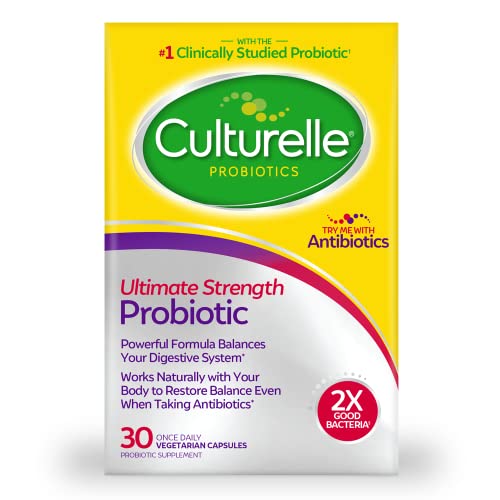
Supplement Facts
Serving Size: 1 Capsule
Amount Per Serving
%DV
Saccharomyces boulardii(an S. cerevisiae Strain)
250 mg(5 Billion CFU)
†
MOS Yeast Fraction(Min. 35% Manno-oligosaccharides [MOS]) (S. cerevisiae)
200 mg
†
Top Medical Research Studies
9.5
We explored how Saccharomyces boulardii might help prevent liver damage caused by Salmonella Enteritidis, a common foodborne pathogen. Using a mouse model, we noticed that pretreatment with S. boulardii significantly reduced the translocation of Salmonella to the liver by 96%.
Additionally, this treatment decreased inflammation and lesions associated with liver injury. These findings suggest that S. boulardii can be a powerful ally in protecting our livers against food poisoning caused by Salmonella Enteritidis.
Additionally, this treatment decreased inflammation and lesions associated with liver injury. These findings suggest that S. boulardii can be a powerful ally in protecting our livers against food poisoning caused by Salmonella Enteritidis.
Read More
9
Postbiotic reduces Salmonella in pullets
We evaluated how a postbiotic derived from Saccharomyces cerevisiae might help reduce Salmonella Enteritidis in young layer pullets. In our study, we tested two groups of pullets—one group received a diet supplemented with the postbiotic, while the other did not.
After introducing the bacteria, we found that while all birds had Salmonella presence, those on the postbiotic diet had significantly lower levels of the bacteria. This suggests that including Saccharomyces cerevisiae could offer an effective strategy for enhancing food safety before harvest.
After introducing the bacteria, we found that while all birds had Salmonella presence, those on the postbiotic diet had significantly lower levels of the bacteria. This suggests that including Saccharomyces cerevisiae could offer an effective strategy for enhancing food safety before harvest.
Read More
9
We investigated the effects of the probiotic Saccharomyces boulardii on infections caused by the foodborne pathogen Cronobacter sakazakii. Through a series of tests, including analyses of cell viability and inflammatory responses, we discovered that S. boulardii significantly improved the health of infected cells. It notably reduced inflammation and the damage caused by the bacteria in both human cells and newborn mice. These findings suggest that S. boulardii is a promising option for protecting against and treating infections related to C. sakazakii.
Read More
Most Useful Reviews
9
Quick recovery aid
145 people found this helpful
Saccharomyces boulardii is a unique probiotic yeast that survives stomach acid. They restore gut balance during medication or travel disruptions and are excellent for food poisoning as they help eliminate pathogens. I always have them on hand after antibiotics for a swift recovery.
Read More
10
Effective against rotavirus
144 people found this helpful
Saccharomycetes have proven very effective against rotavirus and are excellent for food poisoning. They significantly help stop diarrhoea and maintain gut health.
Read More
9
Reliable for children
112 people found this helpful
Saccharomycetes are essential for food poisoning and diarrhoea, being safe for all ages. I give them to my child from birth, finding great quality and clear benefits. Highly recommend!
Read More



Medical Researches
SCIENTIFIC SCORE
Moderately Effective
Based on 10 Researches
8.3
- All Researches
9.5
We explored how Saccharomyces boulardii might help prevent liver damage caused by Salmonella Enteritidis, a common foodborne pathogen. Using a mouse model, we noticed that pretreatment with S. boulardii significantly reduced the translocation of Salmonella to the liver by 96%.
Additionally, this treatment decreased inflammation and lesions associated with liver injury. These findings suggest that S. boulardii can be a powerful ally in protecting our livers against food poisoning caused by Salmonella Enteritidis.
Additionally, this treatment decreased inflammation and lesions associated with liver injury. These findings suggest that S. boulardii can be a powerful ally in protecting our livers against food poisoning caused by Salmonella Enteritidis.
Read More
9
We investigated the effects of the probiotic Saccharomyces boulardii on infections caused by the foodborne pathogen Cronobacter sakazakii. Through a series of tests, including analyses of cell viability and inflammatory responses, we discovered that S. boulardii significantly improved the health of infected cells. It notably reduced inflammation and the damage caused by the bacteria in both human cells and newborn mice. These findings suggest that S. boulardii is a promising option for protecting against and treating infections related to C. sakazakii.
Read More
9
Postbiotic reduces Salmonella in pullets
We evaluated how a postbiotic derived from Saccharomyces cerevisiae might help reduce Salmonella Enteritidis in young layer pullets. In our study, we tested two groups of pullets—one group received a diet supplemented with the postbiotic, while the other did not.
After introducing the bacteria, we found that while all birds had Salmonella presence, those on the postbiotic diet had significantly lower levels of the bacteria. This suggests that including Saccharomyces cerevisiae could offer an effective strategy for enhancing food safety before harvest.
After introducing the bacteria, we found that while all birds had Salmonella presence, those on the postbiotic diet had significantly lower levels of the bacteria. This suggests that including Saccharomyces cerevisiae could offer an effective strategy for enhancing food safety before harvest.
Read More
9
We explored how Saccharomyces cerevisiae RC016 could benefit gut health and growth in weaned piglets. Through a well-structured study, we divided twelve piglets into two groups: one received the yeast, while the other served as a control. After three weeks, results showed the yeast group had higher levels of protective antibodies and more goblet cells, indicating better gut health. An additional ex vivo model suggested that the yeast may also help reduce inflammation. Overall, S. cerevisiae RC016 shows promise as a feed additive that can enhance animal welfare and immunity.
Read More
8
Yeast reduces Salmonella in vitro
We explored how various yeast-derived products could impact Salmonella Enteritidis survival in rooster cecal contents during in vitro tests. Several yeast treatments showed promise, with four products significantly reducing Salmonella levels by 1 log CFU/mL initially and by 3 log CFU/mL after 48 hours, compared to controls.
However, these treatments did not influence the overall diversity or health of the cecal microbiome, indicating that beneficial effects can occur without disrupting the gut environment. This research underscores the potential of yeast products in combating foodborne pathogens while maintaining gut balance.
However, these treatments did not influence the overall diversity or health of the cecal microbiome, indicating that beneficial effects can occur without disrupting the gut environment. This research underscores the potential of yeast products in combating foodborne pathogens while maintaining gut balance.
Read More
User Reviews
USERS' SCORE
Good
Based on 86 Reviews
8.1
- All Reviews
- Positive Reviews
- Negative Reviews
9
Quick recovery aid
145 people found this helpful
Saccharomyces boulardii is a unique probiotic yeast that survives stomach acid. They restore gut balance during medication or travel disruptions and are excellent for food poisoning as they help eliminate pathogens. I always have them on hand after antibiotics for a swift recovery.
Read More
10
Effective against rotavirus
144 people found this helpful
Saccharomycetes have proven very effective against rotavirus and are excellent for food poisoning. They significantly help stop diarrhoea and maintain gut health.
Read More
9
Reliable for children
112 people found this helpful
Saccharomycetes are essential for food poisoning and diarrhoea, being safe for all ages. I give them to my child from birth, finding great quality and clear benefits. Highly recommend!
Read More
9
Effective for diarrhoea
53 people found this helpful
These Saccharomycetes are brilliant! They are often out of stock, but they work wonders for food poisoning and diarrhoea. I take them on holiday instead of pharmaceutical options. This probiotic is excellent; if you find it available, make sure to grab them quickly!
Read More
9
Eases intestinal discomfort
8 people found this helpful
I occasionally take this for two-week courses. These non-pathogenic yeasts effectively combat pathogenic microflora in the intestine. They don’t colonise but are excreted quickly. This product is invaluable during stressful periods or business trips, improving gut function without causing withdrawal syndromes, especially after food poisoning. I recommend it.
Read More
Frequently Asked Questions
9
Quick recovery aid
145 people found this helpful
Saccharomyces boulardii is a unique probiotic yeast that survives stomach acid. They restore gut balance during medication or travel disruptions and are excellent for food poisoning as they help eliminate pathogens. I always have them on hand after antibiotics for a swift recovery.
9
We investigated the effects of the probiotic Saccharomyces boulardii on infections caused by the foodborne pathogen Cronobacter sakazakii. Through a series of tests, including analyses of cell viability and inflammatory responses, we discovered that S. boulardii significantly improved the health of infected cells. It notably reduced inflammation and the damage caused by the bacteria in both human cells and newborn mice. These findings suggest that S. boulardii is a promising option for protecting against and treating infections related to C. sakazakii.
9.5
We explored how Saccharomyces boulardii might help prevent liver damage caused by Salmonella Enteritidis, a common foodborne pathogen. Using a mouse model, we noticed that pretreatment with S. boulardii significantly reduced the translocation of Salmonella to the liver by 96%.
Additionally, this treatment decreased inflammation and lesions associated with liver injury. These findings suggest that S. boulardii can be a powerful ally in protecting our livers against food poisoning caused by Salmonella Enteritidis.
Additionally, this treatment decreased inflammation and lesions associated with liver injury. These findings suggest that S. boulardii can be a powerful ally in protecting our livers against food poisoning caused by Salmonella Enteritidis.
9
Postbiotic reduces Salmonella in pullets
We evaluated how a postbiotic derived from Saccharomyces cerevisiae might help reduce Salmonella Enteritidis in young layer pullets. In our study, we tested two groups of pullets—one group received a diet supplemented with the postbiotic, while the other did not.
After introducing the bacteria, we found that while all birds had Salmonella presence, those on the postbiotic diet had significantly lower levels of the bacteria. This suggests that including Saccharomyces cerevisiae could offer an effective strategy for enhancing food safety before harvest.
After introducing the bacteria, we found that while all birds had Salmonella presence, those on the postbiotic diet had significantly lower levels of the bacteria. This suggests that including Saccharomyces cerevisiae could offer an effective strategy for enhancing food safety before harvest.
References
- Allahyari S, Pakbin B, Dibazar SP, Karami N, Hamidian G, et al. Probiotic Saccharomyces boulardii Against Cronobacter sakazakii Infection: In Vitro and In Vivo Studies. Probiotics Antimicrob Proteins. 2025. 10.1007/s12602-025-10524-3
- Wu D, Teng D, Wang X, Dai C, Wang J. Saccharomyces boulardii prevention of the hepatic injury induced by Salmonella Enteritidis infection. Can J Microbiol. 2014;60:681. 10.1139/cjm-2014-0259
- Costello M, Rubinelli P, Brown J, Olson E, Dittoe D, et al. Comparison of yeast-derived commercial feed additives on Salmonella Enteritidis survival and microbiota populations in rooster cecal in vitro incubations. PLoS One. 2023;18:e0295657. 10.1371/journal.pone.0295657
- Roussel C, De Paepe K, Galia W, de Bodt J, Chalancon S, et al. Multi-targeted properties of the probiotic CNCM I-3856 against enterotoxigenic (ETEC) H10407 pathogenesis across human gut models. Gut Microbes. 2021;13:1953246. 10.1080/19490976.2021.1953246
- Suganuma K, Hamasaki T, Hamaoka T. Effect of dietary direct-fed microbial and yeast cell walls on cecal digesta microbiota of layer chicks inoculated with nalidixic acid resistant Salmonella Enteritidis. Poult Sci. 2021;100:101385. 10.1016/j.psj.2021.101385
- Gingerich E, Frana T, Logue CM, Smith DP, Pavlidis HO, et al. Effect of Feeding a Postbiotic Derived from Saccharomyces cerevisiae Fermentation as a Preharvest Food Safety Hurdle for Reducing Salmonella Enteritidis in the Ceca of Layer Pullets. J Food Prot. 2021;84:275. 10.4315/JFP-20-330
- Girgis G, Powell M, Youssef M, Graugnard DE, King WD, et al. Effects of a mannan-rich yeast cell wall-derived preparation on cecal concentrations and tissue prevalence of Salmonella Enteritidis in layer chickens. PLoS One. 2020;15:e0232088. 10.1371/journal.pone.0232088
- Garcia GR, Dogi CA, Poloni VL, Fochesato AS, De Moreno de Leblanc A, et al. Beneficial effects of Saccharomyces cerevisiae RC016 in weaned piglets: in vivo and ex vivo analysis. Benef Microbes. 2019;10:33. 10.3920/BM2018.0023
- Badia R, Brufau MT, Guerrero-Zamora AM, Lizardo R, Dobrescu I, et al. β-Galactomannan and Saccharomyces cerevisiae var. boulardii modulate the immune response against Salmonella enterica serovar Typhimurium in porcine intestinal epithelial and dendritic cells. Clin Vaccine Immunol. 2012;19:368. 10.1128/CVI.05532-11
- Price KL, Totty HR, Lee HB, Utt MD, Fitzner GE, et al. Use of Saccharomyces cerevisiae fermentation product on growth performance and microbiota of weaned pigs during Salmonella infection. J Anim Sci. 2010;88:3896. 10.2527/jas.2009-2728

