Last update
8/1/2026
Reviewed By
Overview
SCIENTIFIC SCORE
Very Likely Ineffective
Based on 1 Research
2
USERS' SCORE
Good
Based on 3 Reviews
8.3

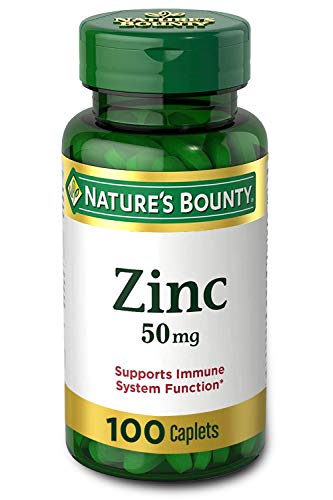
Supplement Facts
Serving Size: 1 Caplet
Amount Per Serving
%DV
Zinc (as Zinc Gluconate)
50 mg
455%
Top Medical Research Studies
2
Researchers tested whether zinc acetate could help people suffering from persistent, hard-to-treat cough. In this randomized, placebo-controlled pilot study, 34 participants received either zinc acetate or placebo for 6 weeks, with improvements measured using four different cough and quality-of-life scales.
While zinc successfully increased serum zinc levels in treated participants, both groups improved similarly across all measures. The improvements in cough symptoms and quality of life were too small to meet clinically meaningful thresholds, suggesting zinc acetate offers no real advantage over placebo for chronic cough sufferers.
While zinc successfully increased serum zinc levels in treated participants, both groups improved similarly across all measures. The improvements in cough symptoms and quality of life were too small to meet clinically meaningful thresholds, suggesting zinc acetate offers no real advantage over placebo for chronic cough sufferers.
Read More
Most Useful Reviews
9
Prevents chronic cough
After my young son coughed on me, I felt a cold approaching the next day. I took zinc and echinacea and fortunately avoided it. I’ve learnt it should be taken with food as it upset my stomach otherwise. I’ve been taking this over the past year, halving my daily intake for my immune system, and it helps fight colds and shortens their duration.
Read More
7.5
Eases chronic cough
Excellent! I don’t take it regularly, but I remember it during cold seasons when chronic cough affects my life. I double (or triple) the dosage, and within two days, everything is fine. It truly works; now I need to encourage my family and myself to take it daily.
Read More
6
Strengthens against chronic cough
I liked the zinc; the dosage is good, and the small tablets are easy to swallow. I primarily use it for acute respiratory infections, and it helps. Zinc is essential for many bodily functions and boosts immunity. A mild deficiency can reduce resistance to infections. I recommend taking it to help prevent chronic coughs and other health issues.
Read More


Medical Researches
SCIENTIFIC SCORE
Very Likely Ineffective
Based on 1 Research
2
- All Researches
2
Researchers tested whether zinc acetate could help people suffering from persistent, hard-to-treat cough. In this randomized, placebo-controlled pilot study, 34 participants received either zinc acetate or placebo for 6 weeks, with improvements measured using four different cough and quality-of-life scales.
While zinc successfully increased serum zinc levels in treated participants, both groups improved similarly across all measures. The improvements in cough symptoms and quality of life were too small to meet clinically meaningful thresholds, suggesting zinc acetate offers no real advantage over placebo for chronic cough sufferers.
While zinc successfully increased serum zinc levels in treated participants, both groups improved similarly across all measures. The improvements in cough symptoms and quality of life were too small to meet clinically meaningful thresholds, suggesting zinc acetate offers no real advantage over placebo for chronic cough sufferers.
Read More
User Reviews
USERS' SCORE
Good
Based on 3 Reviews
8.3
- All Reviews
- Positive Reviews
- Negative Reviews
9
Prevents chronic cough
After my young son coughed on me, I felt a cold approaching the next day. I took zinc and echinacea and fortunately avoided it. I’ve learnt it should be taken with food as it upset my stomach otherwise. I’ve been taking this over the past year, halving my daily intake for my immune system, and it helps fight colds and shortens their duration.
Read More
7.5
Eases chronic cough
Excellent! I don’t take it regularly, but I remember it during cold seasons when chronic cough affects my life. I double (or triple) the dosage, and within two days, everything is fine. It truly works; now I need to encourage my family and myself to take it daily.
Read More
6
Strengthens against chronic cough
I liked the zinc; the dosage is good, and the small tablets are easy to swallow. I primarily use it for acute respiratory infections, and it helps. Zinc is essential for many bodily functions and boosts immunity. A mild deficiency can reduce resistance to infections. I recommend taking it to help prevent chronic coughs and other health issues.
Read More
Frequently Asked Questions
7.5
Eases chronic cough
Excellent! I don’t take it regularly, but I remember it during cold seasons when chronic cough affects my life. I double (or triple) the dosage, and within two days, everything is fine. It truly works; now I need to encourage my family and myself to take it daily.
9
Prevents chronic cough
After my young son coughed on me, I felt a cold approaching the next day. I took zinc and echinacea and fortunately avoided it. I’ve learnt it should be taken with food as it upset my stomach otherwise. I’ve been taking this over the past year, halving my daily intake for my immune system, and it helps fight colds and shortens their duration.
6
Strengthens against chronic cough
I liked the zinc; the dosage is good, and the small tablets are easy to swallow. I primarily use it for acute respiratory infections, and it helps. Zinc is essential for many bodily functions and boosts immunity. A mild deficiency can reduce resistance to infections. I recommend taking it to help prevent chronic coughs and other health issues.
References
- Balasubramanian A, Holbrook JT, Canning BJ, Que LG, Castro M, et al. Efficacy and tolerability of zinc acetate for treatment of chronic refractory cough: pilot randomised futility trial. ERJ Open Res. 2023;9. 10.1183/23120541.00678-2022

