Last update
3/12/2026
Reviewed By
Overview
SCIENTIFIC SCORE
Moderately Effective
Based on 3 Researches
8.3
USERS' SCORE
Moderately Good
Based on 18 Reviews
7.3

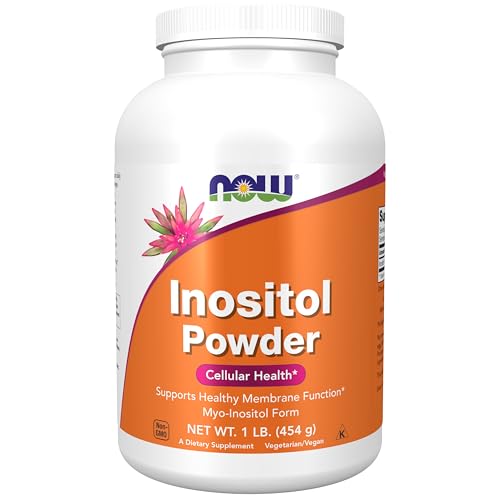
Supplement Facts
Serving Size: 1 Veg Capsule
Amount Per Serving
%DV
Inositol
500 mg
**
Top Medical Research Studies
8
Our research focused on understanding how inositol, specifically a molecule called 5-InsP7, plays a role in heart health by influencing levels of a substance called adiponectin. Adiponectin is important because it helps protect against cardiovascular issues and metabolic disorders.
We discovered that the enzyme inositol hexakisphosphate kinase 1 (IP6K1) produces 5-InsP7, which helps regulate how much adiponectin is available in the bloodstream. This regulation occurs through a process that ensures adiponectin stays stable instead of degrading within the cells.
When we decreased the levels of 5-InsP7—either by knocking out the gene responsible for producing it or through specific drug treatments—we noticed a significant increase in adiponectin levels in the plasma. This increase particularly favored the high molecular weight forms of adiponectin, which are particularly beneficial for heart protection.
The findings suggest that targeting 5-InsP7 could be a promising strategy for enhancing adiponectin levels, potentially offering a new avenue for protecting the heart against damage from conditions like ischemia-reperfusion injury, which occurs when blood flow returns to the heart after a period of blockage.
Overall, this study gives insight into how inositol treatment might help heart disease, emphasizing the importance of adiponectin in cardiovascular health.
We discovered that the enzyme inositol hexakisphosphate kinase 1 (IP6K1) produces 5-InsP7, which helps regulate how much adiponectin is available in the bloodstream. This regulation occurs through a process that ensures adiponectin stays stable instead of degrading within the cells.
When we decreased the levels of 5-InsP7—either by knocking out the gene responsible for producing it or through specific drug treatments—we noticed a significant increase in adiponectin levels in the plasma. This increase particularly favored the high molecular weight forms of adiponectin, which are particularly beneficial for heart protection.
The findings suggest that targeting 5-InsP7 could be a promising strategy for enhancing adiponectin levels, potentially offering a new avenue for protecting the heart against damage from conditions like ischemia-reperfusion injury, which occurs when blood flow returns to the heart after a period of blockage.
Overall, this study gives insight into how inositol treatment might help heart disease, emphasizing the importance of adiponectin in cardiovascular health.
Read More
9
Our study aimed to understand how inositol supplementation could help combat heart issues caused by lithium in mice. We examined four groups of C57BL6 mice, some of which received lithium for eight weeks, while others either received inositol during or after the lithium treatment. We specifically looked at various heart functions, structures, and how the heart cells responded to stress.
We found that inositol has a significant protective effect on the heart. Mice that received inositol, either during or after lithium exposure, showed improvements in heart size, function, and electrical stability. For example, the inositol group had reduced heart cell swelling and better performance during stress tests. Overall, these findings suggest that inositol could serve as a beneficial strategy for managing lithium-induced cardiac issues.
Furthermore, the inositol treatment appeared to reverse changes associated with heart muscle enlargement and helped stabilize the expression of certain proteins critical for heart function. In contrast, untreated mice displayed increased cardiac dysfunction and other organ issues. Overall, the study underscores inositol's promise as a potential treatment for heart-related side effects arising from lithium use.
We found that inositol has a significant protective effect on the heart. Mice that received inositol, either during or after lithium exposure, showed improvements in heart size, function, and electrical stability. For example, the inositol group had reduced heart cell swelling and better performance during stress tests. Overall, these findings suggest that inositol could serve as a beneficial strategy for managing lithium-induced cardiac issues.
Furthermore, the inositol treatment appeared to reverse changes associated with heart muscle enlargement and helped stabilize the expression of certain proteins critical for heart function. In contrast, untreated mice displayed increased cardiac dysfunction and other organ issues. Overall, the study underscores inositol's promise as a potential treatment for heart-related side effects arising from lithium use.
Read More
8
ITPP shows promise in heart health
We explored the effects of myo-inositol trispyrophosphate (ITPP) on heart disease, particularly in the context of pulmonary hypertension (PH). The study involved injecting rats with monocrotaline, which induces PH, and then administering either ITPP or a placebo over five weeks. Through careful monitoring techniques, including echocardiograms and pressure-volume loops, we aimed to see whether ITPP could alleviate the negative impacts of PH on the heart.
Our findings revealed that ITPP indeed reduced mortality associated with PH. While it didn't change the rise in pulmonary vascular resistance, it significantly improved heart function by relieving hypoxia in the right ventricle (RV). This relief was tied to a decrease in RV wall stress, enhancing the heart’s ability to pump effectively under strain. Additionally, we noted that ITPP may help prevent some changes associated with oxygen deprivation, although it did not affect capillary density in the heart.
The implications of our research suggest that enhancing oxygen delivery to the right ventricle could be a valuable addition to existing treatments for PH. ITPP stands out as a promising candidate that could help the heart better manage the increased pressure it faces in these conditions, ultimately improving survival rates.
Our findings revealed that ITPP indeed reduced mortality associated with PH. While it didn't change the rise in pulmonary vascular resistance, it significantly improved heart function by relieving hypoxia in the right ventricle (RV). This relief was tied to a decrease in RV wall stress, enhancing the heart’s ability to pump effectively under strain. Additionally, we noted that ITPP may help prevent some changes associated with oxygen deprivation, although it did not affect capillary density in the heart.
The implications of our research suggest that enhancing oxygen delivery to the right ventricle could be a valuable addition to existing treatments for PH. ITPP stands out as a promising candidate that could help the heart better manage the increased pressure it faces in these conditions, ultimately improving survival rates.
Read More
Most Useful Reviews
9
Menstruation restored
25 people found this helpful
After desperately trying for three years to restore my menstruation due to polycystic ovarian disease, I was prescribed Inositol. Within seven weeks of taking it, everything changed!
Read More
9
Menstrual recovery
7 people found this helpful
I discovered inositol on my gynecologist's advice after a cycle failure due to hormonal treatments. To my delight, after five years on hormones and gaining weight, menstruation returned naturally within the first month! My skin improved, and my hair became thicker. After six months, ultrasounds showed no signs of polycystic disease, and my cycle stabilised. I was advised to take 2000 mg daily (4 capsules). I’m thankful for inositol's impact on my health.
Read More
8
Cycle improvement
4 people found this helpful
I'm grateful for inositol! I initially ordered it on the recommendation of others due to my polycystic ovaries. Since taking it, my period has improved in regularity. Quality is excellent, and I can comfortably take two pills daily. Beyond cycle regulation, I've noticed a positive impact on my nervous system and energy levels. The effects have been profound.
Read More


Medical Researches
SCIENTIFIC SCORE
Moderately Effective
Based on 3 Researches
8.3
- All Researches
9
Our study aimed to understand how inositol supplementation could help combat heart issues caused by lithium in mice. We examined four groups of C57BL6 mice, some of which received lithium for eight weeks, while others either received inositol during or after the lithium treatment. We specifically looked at various heart functions, structures, and how the heart cells responded to stress.
We found that inositol has a significant protective effect on the heart. Mice that received inositol, either during or after lithium exposure, showed improvements in heart size, function, and electrical stability. For example, the inositol group had reduced heart cell swelling and better performance during stress tests. Overall, these findings suggest that inositol could serve as a beneficial strategy for managing lithium-induced cardiac issues.
Furthermore, the inositol treatment appeared to reverse changes associated with heart muscle enlargement and helped stabilize the expression of certain proteins critical for heart function. In contrast, untreated mice displayed increased cardiac dysfunction and other organ issues. Overall, the study underscores inositol's promise as a potential treatment for heart-related side effects arising from lithium use.
We found that inositol has a significant protective effect on the heart. Mice that received inositol, either during or after lithium exposure, showed improvements in heart size, function, and electrical stability. For example, the inositol group had reduced heart cell swelling and better performance during stress tests. Overall, these findings suggest that inositol could serve as a beneficial strategy for managing lithium-induced cardiac issues.
Furthermore, the inositol treatment appeared to reverse changes associated with heart muscle enlargement and helped stabilize the expression of certain proteins critical for heart function. In contrast, untreated mice displayed increased cardiac dysfunction and other organ issues. Overall, the study underscores inositol's promise as a potential treatment for heart-related side effects arising from lithium use.
Read More
8
ITPP shows promise in heart health
We explored the effects of myo-inositol trispyrophosphate (ITPP) on heart disease, particularly in the context of pulmonary hypertension (PH). The study involved injecting rats with monocrotaline, which induces PH, and then administering either ITPP or a placebo over five weeks. Through careful monitoring techniques, including echocardiograms and pressure-volume loops, we aimed to see whether ITPP could alleviate the negative impacts of PH on the heart.
Our findings revealed that ITPP indeed reduced mortality associated with PH. While it didn't change the rise in pulmonary vascular resistance, it significantly improved heart function by relieving hypoxia in the right ventricle (RV). This relief was tied to a decrease in RV wall stress, enhancing the heart’s ability to pump effectively under strain. Additionally, we noted that ITPP may help prevent some changes associated with oxygen deprivation, although it did not affect capillary density in the heart.
The implications of our research suggest that enhancing oxygen delivery to the right ventricle could be a valuable addition to existing treatments for PH. ITPP stands out as a promising candidate that could help the heart better manage the increased pressure it faces in these conditions, ultimately improving survival rates.
Our findings revealed that ITPP indeed reduced mortality associated with PH. While it didn't change the rise in pulmonary vascular resistance, it significantly improved heart function by relieving hypoxia in the right ventricle (RV). This relief was tied to a decrease in RV wall stress, enhancing the heart’s ability to pump effectively under strain. Additionally, we noted that ITPP may help prevent some changes associated with oxygen deprivation, although it did not affect capillary density in the heart.
The implications of our research suggest that enhancing oxygen delivery to the right ventricle could be a valuable addition to existing treatments for PH. ITPP stands out as a promising candidate that could help the heart better manage the increased pressure it faces in these conditions, ultimately improving survival rates.
Read More
8
Our research focused on understanding how inositol, specifically a molecule called 5-InsP7, plays a role in heart health by influencing levels of a substance called adiponectin. Adiponectin is important because it helps protect against cardiovascular issues and metabolic disorders.
We discovered that the enzyme inositol hexakisphosphate kinase 1 (IP6K1) produces 5-InsP7, which helps regulate how much adiponectin is available in the bloodstream. This regulation occurs through a process that ensures adiponectin stays stable instead of degrading within the cells.
When we decreased the levels of 5-InsP7—either by knocking out the gene responsible for producing it or through specific drug treatments—we noticed a significant increase in adiponectin levels in the plasma. This increase particularly favored the high molecular weight forms of adiponectin, which are particularly beneficial for heart protection.
The findings suggest that targeting 5-InsP7 could be a promising strategy for enhancing adiponectin levels, potentially offering a new avenue for protecting the heart against damage from conditions like ischemia-reperfusion injury, which occurs when blood flow returns to the heart after a period of blockage.
Overall, this study gives insight into how inositol treatment might help heart disease, emphasizing the importance of adiponectin in cardiovascular health.
We discovered that the enzyme inositol hexakisphosphate kinase 1 (IP6K1) produces 5-InsP7, which helps regulate how much adiponectin is available in the bloodstream. This regulation occurs through a process that ensures adiponectin stays stable instead of degrading within the cells.
When we decreased the levels of 5-InsP7—either by knocking out the gene responsible for producing it or through specific drug treatments—we noticed a significant increase in adiponectin levels in the plasma. This increase particularly favored the high molecular weight forms of adiponectin, which are particularly beneficial for heart protection.
The findings suggest that targeting 5-InsP7 could be a promising strategy for enhancing adiponectin levels, potentially offering a new avenue for protecting the heart against damage from conditions like ischemia-reperfusion injury, which occurs when blood flow returns to the heart after a period of blockage.
Overall, this study gives insight into how inositol treatment might help heart disease, emphasizing the importance of adiponectin in cardiovascular health.
Read More
User Reviews
USERS' SCORE
Moderately Good
Based on 18 Reviews
7.3
- All Reviews
- Positive Reviews
- Negative Reviews
9
Menstruation restored
25 people found this helpful
After desperately trying for three years to restore my menstruation due to polycystic ovarian disease, I was prescribed Inositol. Within seven weeks of taking it, everything changed!
Read More
9
Menstrual recovery
7 people found this helpful
I discovered inositol on my gynecologist's advice after a cycle failure due to hormonal treatments. To my delight, after five years on hormones and gaining weight, menstruation returned naturally within the first month! My skin improved, and my hair became thicker. After six months, ultrasounds showed no signs of polycystic disease, and my cycle stabilised. I was advised to take 2000 mg daily (4 capsules). I’m thankful for inositol's impact on my health.
Read More
8
Cycle improvement
4 people found this helpful
I'm grateful for inositol! I initially ordered it on the recommendation of others due to my polycystic ovaries. Since taking it, my period has improved in regularity. Quality is excellent, and I can comfortably take two pills daily. Beyond cycle regulation, I've noticed a positive impact on my nervous system and energy levels. The effects have been profound.
Read More
9
Stable blood sugar
1 people found this helpful
I’ve been using Inositol for an elderly diabetic patient, and its effect on managing their blood sugar is impressive. It has also improved metabolism and reduced the risk of complications, including heart issues.
Read More
9
Regulated periods
1 people found this helpful
Works! I have polycystic disease, and my periods have never been regular, with a last delay of two years. I took 2 grams daily as advised by a doctor, and on the sixth week, my period arrived! My mood swings diminished, irritability decreased, and hair loss has lessened. I did not experience any side effects. Alongside this myo-inositol, I took vitamin D and Omega-3. This product truly works, but I would appreciate a larger dosage in capsule form for convenience. All health!
Read More
Frequently Asked Questions
7.5
Menstrual regulation
2 people found this helpful
Diagnosed with polycystic ovarian syndrome, I hadn’t had a period for months. After starting this supplement, I was relieved to see my period return in two weeks, and my skin condition gradually improved.
10
Effective prevention
I'm taking 500mg Inositol daily for over two years as a preventative measure against heart disease and type 2 diabetes. The packaging is a good size, the capsules are easy to swallow and have no aftertaste at all, with good quality ingredients. During these two years, I have not experienced any heart problems or issues with my blood sugar.
9
Regulated periods
1 people found this helpful
Works! I have polycystic disease, and my periods have never been regular, with a last delay of two years. I took 2 grams daily as advised by a doctor, and on the sixth week, my period arrived! My mood swings diminished, irritability decreased, and hair loss has lessened. I did not experience any side effects. Alongside this myo-inositol, I took vitamin D and Omega-3. This product truly works, but I would appreciate a larger dosage in capsule form for convenience. All health!
9
Stable blood sugar
1 people found this helpful
I’ve been using Inositol for an elderly diabetic patient, and its effect on managing their blood sugar is impressive. It has also improved metabolism and reduced the risk of complications, including heart issues.
7.5
Weight loss aid
3 people found this helpful
This supplement positively influenced my menstrual cycle and helped regularise my blood sugar levels. I observed significant changes in both sugar regulation and weight loss. This product has worked wonders for me, and I'm thankful for the results!
9
Our study aimed to understand how inositol supplementation could help combat heart issues caused by lithium in mice. We examined four groups of C57BL6 mice, some of which received lithium for eight weeks, while others either received inositol during or after the lithium treatment. We specifically looked at various heart functions, structures, and how the heart cells responded to stress.
We found that inositol has a significant protective effect on the heart. Mice that received inositol, either during or after lithium exposure, showed improvements in heart size, function, and electrical stability. For example, the inositol group had reduced heart cell swelling and better performance during stress tests. Overall, these findings suggest that inositol could serve as a beneficial strategy for managing lithium-induced cardiac issues.
Furthermore, the inositol treatment appeared to reverse changes associated with heart muscle enlargement and helped stabilize the expression of certain proteins critical for heart function. In contrast, untreated mice displayed increased cardiac dysfunction and other organ issues. Overall, the study underscores inositol's promise as a potential treatment for heart-related side effects arising from lithium use.
We found that inositol has a significant protective effect on the heart. Mice that received inositol, either during or after lithium exposure, showed improvements in heart size, function, and electrical stability. For example, the inositol group had reduced heart cell swelling and better performance during stress tests. Overall, these findings suggest that inositol could serve as a beneficial strategy for managing lithium-induced cardiac issues.
Furthermore, the inositol treatment appeared to reverse changes associated with heart muscle enlargement and helped stabilize the expression of certain proteins critical for heart function. In contrast, untreated mice displayed increased cardiac dysfunction and other organ issues. Overall, the study underscores inositol's promise as a potential treatment for heart-related side effects arising from lithium use.
8
ITPP shows promise in heart health
We explored the effects of myo-inositol trispyrophosphate (ITPP) on heart disease, particularly in the context of pulmonary hypertension (PH). The study involved injecting rats with monocrotaline, which induces PH, and then administering either ITPP or a placebo over five weeks. Through careful monitoring techniques, including echocardiograms and pressure-volume loops, we aimed to see whether ITPP could alleviate the negative impacts of PH on the heart.
Our findings revealed that ITPP indeed reduced mortality associated with PH. While it didn't change the rise in pulmonary vascular resistance, it significantly improved heart function by relieving hypoxia in the right ventricle (RV). This relief was tied to a decrease in RV wall stress, enhancing the heart’s ability to pump effectively under strain. Additionally, we noted that ITPP may help prevent some changes associated with oxygen deprivation, although it did not affect capillary density in the heart.
The implications of our research suggest that enhancing oxygen delivery to the right ventricle could be a valuable addition to existing treatments for PH. ITPP stands out as a promising candidate that could help the heart better manage the increased pressure it faces in these conditions, ultimately improving survival rates.
Our findings revealed that ITPP indeed reduced mortality associated with PH. While it didn't change the rise in pulmonary vascular resistance, it significantly improved heart function by relieving hypoxia in the right ventricle (RV). This relief was tied to a decrease in RV wall stress, enhancing the heart’s ability to pump effectively under strain. Additionally, we noted that ITPP may help prevent some changes associated with oxygen deprivation, although it did not affect capillary density in the heart.
The implications of our research suggest that enhancing oxygen delivery to the right ventricle could be a valuable addition to existing treatments for PH. ITPP stands out as a promising candidate that could help the heart better manage the increased pressure it faces in these conditions, ultimately improving survival rates.
8
Our research focused on understanding how inositol, specifically a molecule called 5-InsP7, plays a role in heart health by influencing levels of a substance called adiponectin. Adiponectin is important because it helps protect against cardiovascular issues and metabolic disorders.
We discovered that the enzyme inositol hexakisphosphate kinase 1 (IP6K1) produces 5-InsP7, which helps regulate how much adiponectin is available in the bloodstream. This regulation occurs through a process that ensures adiponectin stays stable instead of degrading within the cells.
When we decreased the levels of 5-InsP7—either by knocking out the gene responsible for producing it or through specific drug treatments—we noticed a significant increase in adiponectin levels in the plasma. This increase particularly favored the high molecular weight forms of adiponectin, which are particularly beneficial for heart protection.
The findings suggest that targeting 5-InsP7 could be a promising strategy for enhancing adiponectin levels, potentially offering a new avenue for protecting the heart against damage from conditions like ischemia-reperfusion injury, which occurs when blood flow returns to the heart after a period of blockage.
Overall, this study gives insight into how inositol treatment might help heart disease, emphasizing the importance of adiponectin in cardiovascular health.
We discovered that the enzyme inositol hexakisphosphate kinase 1 (IP6K1) produces 5-InsP7, which helps regulate how much adiponectin is available in the bloodstream. This regulation occurs through a process that ensures adiponectin stays stable instead of degrading within the cells.
When we decreased the levels of 5-InsP7—either by knocking out the gene responsible for producing it or through specific drug treatments—we noticed a significant increase in adiponectin levels in the plasma. This increase particularly favored the high molecular weight forms of adiponectin, which are particularly beneficial for heart protection.
The findings suggest that targeting 5-InsP7 could be a promising strategy for enhancing adiponectin levels, potentially offering a new avenue for protecting the heart against damage from conditions like ischemia-reperfusion injury, which occurs when blood flow returns to the heart after a period of blockage.
Overall, this study gives insight into how inositol treatment might help heart disease, emphasizing the importance of adiponectin in cardiovascular health.
References
- L'Abbate S, Nicolini G, Forini F, Lepore E, Marchetti S, et al. Oral supplementation of inositols effectively recovered lithium-induced cardiac dysfunctions in mice. Biomed Pharmacother. 2024;178:117287. 10.1016/j.biopha.2024.117287
- Oknińska M, Paterek A, Grzanka M, Zajda K, Surzykiewicz M, et al. Myo-inositol trispyrophosphate prevents right ventricular failure and improves survival in monocrotaline-induced pulmonary hypertension in the rat. Br J Pharmacol. 2024;181:4050. 10.1111/bph.16482
- Fu L, Du J, Furkert D, Shipton ML, Liu X, et al. Depleting inositol pyrophosphate 5-InsP7 protected the heart against ischaemia-reperfusion injury by elevating plasma adiponectin. Cardiovasc Res. 2024;120:954. 10.1093/cvr/cvae017
Data last updated:

