Last update
7/9/2026
Reviewed By
Infographics
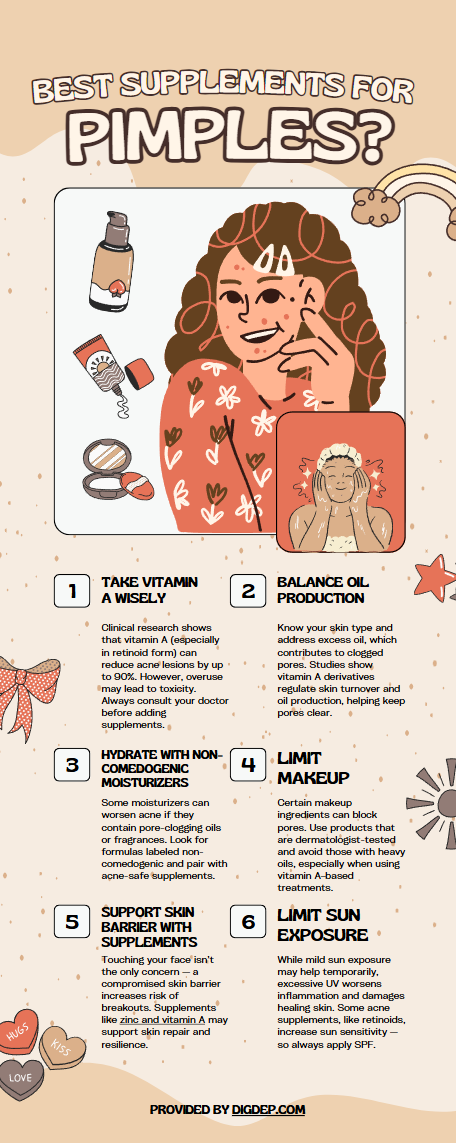
Overview

SCIENTIFIC SCORE
Possibly Effective
Based on 20 Researches
7.3
USERS' SCORE
Moderately Good
Based on 647 Reviews
7.5

Top Medical Research Studies
8
A rigorous, double-blind study tested whether tea tree oil could help with mild to moderate acne. Sixty patients were randomly assigned to receive either a 5% tea tree oil gel or a placebo, with progress tracked over 45 days.
The results were impressive: tea tree oil proved significantly more effective than placebo at reducing acne lesions and severity—about 3.5 to nearly 6 times more effective, depending on the measurement used. Side effects were minimal and comparable between groups, making tea tree oil a well-tolerated option for acne treatment.
The results were impressive: tea tree oil proved significantly more effective than placebo at reducing acne lesions and severity—about 3.5 to nearly 6 times more effective, depending on the measurement used. Side effects were minimal and comparable between groups, making tea tree oil a well-tolerated option for acne treatment.
Read More
8
Tea tree oil effective; more long-term trials needed
A comprehensive review of 70 studies examined how essential oils perform in treating common skin problems. Researchers looked at clinical trials and laboratory experiments testing various oils—including tea tree, lavender, chamomile, and peppermint—in different forms like gels, creams, and serums.
Tea tree oil emerged as particularly effective for acne, while lavender and rosemary oils showed promising anti-inflammatory and anti-aging benefits. The formulations improved skin hydration, elasticity, and overall appearance across multiple studies. However, researchers stress that while the results are encouraging, we need more rigorous, long-term clinical trials to fully confirm how well these oils work and ensure they're safe for widespread use.
Tea tree oil emerged as particularly effective for acne, while lavender and rosemary oils showed promising anti-inflammatory and anti-aging benefits. The formulations improved skin hydration, elasticity, and overall appearance across multiple studies. However, researchers stress that while the results are encouraging, we need more rigorous, long-term clinical trials to fully confirm how well these oils work and ensure they're safe for widespread use.
Read More
8
Tea tree oil shows modest promise; evidence quality remains low
A comprehensive review examined 35 randomized controlled trials involving 3,227 participants to assess complementary therapies for acne vulgaris. We found that tea tree oil showed promise in a single trial, reducing total skin lesion counts and acne severity scores compared to placebo. However, the overall quality of evidence was low, and most other complementary approaches—including acupuncture and herbal medicines—lacked consistent support.
The review also noted that complementary therapies showed potential benefits for quality of life measures like self-worth and emotional well-being. While mild adverse effects were reported, no severe safety issues emerged. Overall, the authors concluded that stronger, well-designed studies are needed before confidently recommending these treatments.
The review also noted that complementary therapies showed potential benefits for quality of life measures like self-worth and emotional well-being. While mild adverse effects were reported, no severe safety issues emerged. Overall, the authors concluded that stronger, well-designed studies are needed before confidently recommending these treatments.
Read More
Most Useful Reviews
5
Sterilises skin
165 people found this helpful
Excellent for sterilisation. It helps sterilise the skin and reduces the appearance of pimples prone to acne. It can also be added to shampoo for an oily scalp. However, shipping issues must be addressed.
Read More
9
Effective remedy
111 people found this helpful
Using it to cleanse my skin to prevent acne has been a very effective remedy.
Read More
9
Great for acne
102 people found this helpful
I purchased this Tea Tree Oil for acne after hearing it works better than many medications. Initially taken aback by the scent, I used it nightly after cleansing my face. I've used it exclusively for six months and it's been incredibly effective. Additionally, I recommend a specific tea tree oil-based product for facial application. I've noticed improvements in my skin's appearance and pore size. This product is a fantastic treatment for acne overall.
Read More


Medical Researches
SCIENTIFIC SCORE
Possibly Effective
Based on 20 Researches
7.3
- All Researches
9
A double-blind study compared 60 acne patients across three groups: one receiving a cream combining propolis, tea tree oil, and another natural extract (PTAC); another using erythromycin cream; and a third using placebo. Researchers measured lesion counts and skin conditions at baseline, 15 days, and 30 days using objective photography and measurements.
The natural combination cream outperformed the antibiotic treatment, significantly reducing scar-related redness, overall acne severity, and total lesion counts compared to erythromycin. Both active treatments beat placebo on most measured outcomes. These findings suggest that plant-based alternatives may offer promising options as antibiotic resistance continues to limit traditional acne treatments.
The natural combination cream outperformed the antibiotic treatment, significantly reducing scar-related redness, overall acne severity, and total lesion counts compared to erythromycin. Both active treatments beat placebo on most measured outcomes. These findings suggest that plant-based alternatives may offer promising options as antibiotic resistance continues to limit traditional acne treatments.
Read More
8
Tea tree oil effective; more long-term trials needed
A comprehensive review of 70 studies examined how essential oils perform in treating common skin problems. Researchers looked at clinical trials and laboratory experiments testing various oils—including tea tree, lavender, chamomile, and peppermint—in different forms like gels, creams, and serums.
Tea tree oil emerged as particularly effective for acne, while lavender and rosemary oils showed promising anti-inflammatory and anti-aging benefits. The formulations improved skin hydration, elasticity, and overall appearance across multiple studies. However, researchers stress that while the results are encouraging, we need more rigorous, long-term clinical trials to fully confirm how well these oils work and ensure they're safe for widespread use.
Tea tree oil emerged as particularly effective for acne, while lavender and rosemary oils showed promising anti-inflammatory and anti-aging benefits. The formulations improved skin hydration, elasticity, and overall appearance across multiple studies. However, researchers stress that while the results are encouraging, we need more rigorous, long-term clinical trials to fully confirm how well these oils work and ensure they're safe for widespread use.
Read More
8
Tea tree oil shows promising acne efficacy; most studies underpowered
We examined a comprehensive review of 29 studies exploring how essential oils treat inflammatory skin conditions, with a particular focus on acne. Tea tree oil emerged as the most thoroughly researched option, with clinical studies demonstrating that tea tree oil gel effectively reduced acne while causing fewer side effects than standard pharmaceutical treatments.
Other oils like ajwain, eucalyptus, and cedarwood showed promise in smaller studies, though more rigorous testing is needed. The review highlights an important gap: many studies suffered from small sample sizes, short durations, and lack of control groups, making it difficult to draw firm conclusions about long-term effectiveness and safety for most essential oils.
Other oils like ajwain, eucalyptus, and cedarwood showed promise in smaller studies, though more rigorous testing is needed. The review highlights an important gap: many studies suffered from small sample sizes, short durations, and lack of control groups, making it difficult to draw firm conclusions about long-term effectiveness and safety for most essential oils.
Read More
8
Novel clay nanocarrier enhances tea tree oil acne treatment efficacy
Researchers developed a novel delivery system using palygorskite, a fibrous clay mineral, to enhance tea tree oil's effectiveness against acne. The composite achieved strong tea tree oil loading (27.4%) while reducing its skin toxicity—a key advantage over applying the oil directly.
Laboratory tests showed the clay-based formulation selectively targeted acne-causing bacteria like *Staphylococcus aureus* and *Propionibacterium acnes*, while sparing beneficial skin bacteria. Clinical results were promising: the treatment rapidly reduced inflamed lesions, controlled excess sebum production, and restored skin barrier function.
This marks the first successful use of fibrous clay as a biocompatible nanocarrier for essential oils in acne therapy, combining both laboratory and real-world evidence.
Laboratory tests showed the clay-based formulation selectively targeted acne-causing bacteria like *Staphylococcus aureus* and *Propionibacterium acnes*, while sparing beneficial skin bacteria. Clinical results were promising: the treatment rapidly reduced inflamed lesions, controlled excess sebum production, and restored skin barrier function.
This marks the first successful use of fibrous clay as a biocompatible nanocarrier for essential oils in acne therapy, combining both laboratory and real-world evidence.
Read More
8
Hydrogel combination treatment shows strong acne efficacy
Researchers developed a specially formulated hydrogel combining azelaic acid—an FDA-approved acne treatment—with tea tree oil to address delivery problems like poor skin penetration. The new formulation showed impressive results in laboratory tests against acne-causing bacteria, including an eightfold improvement in effectiveness compared to azelaic acid alone.
When tested on rats with testosterone-induced acne, the hydrogel reduced acne lesions by 93.75%, significantly outperforming the standard market treatment Aziderm™, which achieved 72.69% reduction. The combination appears to offer better skin absorption and tolerance while delivering stronger antibacterial action against the three main bacteria responsible for acne.
When tested on rats with testosterone-induced acne, the hydrogel reduced acne lesions by 93.75%, significantly outperforming the standard market treatment Aziderm™, which achieved 72.69% reduction. The combination appears to offer better skin absorption and tolerance while delivering stronger antibacterial action against the three main bacteria responsible for acne.
Read More
User Reviews
USERS' SCORE
Moderately Good
Based on 647 Reviews
7.5
- All Reviews
- Positive Reviews
- Negative Reviews
5
Sterilises skin
165 people found this helpful
Excellent for sterilisation. It helps sterilise the skin and reduces the appearance of pimples prone to acne. It can also be added to shampoo for an oily scalp. However, shipping issues must be addressed.
Read More
9
Effective remedy
111 people found this helpful
Using it to cleanse my skin to prevent acne has been a very effective remedy.
Read More
9
Great for acne
102 people found this helpful
I purchased this Tea Tree Oil for acne after hearing it works better than many medications. Initially taken aback by the scent, I used it nightly after cleansing my face. I've used it exclusively for six months and it's been incredibly effective. Additionally, I recommend a specific tea tree oil-based product for facial application. I've noticed improvements in my skin's appearance and pore size. This product is a fantastic treatment for acne overall.
Read More
7
Great for acne
91 people found this helpful
For problem skin, this oil is excellent for treating acne.
Read More
8
Long-term use
76 people found this helpful
This panacea can be applied directly. There are two essential oils that can be used neat: tea tree and lavender. I've used tea tree oil for over ten years to treat acne and other issues. Despite a strong smell, its benefits outweigh the negatives. Just ensure you buy the undiluted solution, as cheaper options may be diluted.
Read More
Frequently Asked Questions
9
Effective for acne
59 people found this helpful
Excellent for acne and oily skin. I use this product and within two days I noticed a positive change. While applying it, I mix it with water and use it on my hair as well. Although it may not suit everyone, it truly works for me.
8
Effective drying solution
9 people found this helpful
Best oil for acne! I apply it directly onto the spots, and by the second day, I've noticed that the spots have dried up significantly. It's incredibly effective.
10
Immediate results
5 people found this helpful
This product is very effective for acne, showing results from the very first use. I'm thoroughly impressed!
9
Soothing treatment
6 people found this helpful
I purchased this for my acne and mixed it with a watery serum. Applying it to the affected areas made many pimples disappear. The 100% tea tree oil is strong but really effective, also surprisingly refreshing for other areas. I love the tea tree scent and will continue to use it.
9
Clear skin improvement
17 people found this helpful
This oil is excellent! I had many acne outbreaks, but now my skin is much clearer and smoother. The scent is lovely, and it works well as an antiseptic. I apply it as soon as I sense an outbreak. If you find my review helpful, please let me know!
8
Eliminates pimples
4 people found this helpful
The best anti-acne treatment I've used; it not only eliminates pimples but also prevents them from coming back. Although the smell is strong, I highly recommend it.
6
Reduces inflammation
24 people found this helpful
Tea tree oil is effective—it reduces both acne and inflammation.
8
Effective against acne
4 people found this helpful
This is effective for both acne and vaginitis. I mix it with water in a sprayer, applying it without leaving any residue, which alleviated my vaginitis symptoms. For newly emerging acne, I simply dab tea tree oil on with a cotton swab. However, due to its high purity, it might irritate sensitive skin, so I suggest diluting it before use.
9
Best treatment
12 people found this helpful
Excellent! Initially, I tried it for sinus issues, but my daughter found it best for her acne. The pain and irritation from her inflamed skin vanished. I recommend mixing it with coconut oil for added soothing effects.
8
Rescues acne
6 people found this helpful
I often face skin issues but found this oil to be a saviour. Dabbing it on blemishes noticeably reduces their size overnight. Additionally, I mix a drop with my cleanser, enhancing its effectiveness against acne.
8
Tea tree oil shows promising acne efficacy; most studies underpowered
We examined a comprehensive review of 29 studies exploring how essential oils treat inflammatory skin conditions, with a particular focus on acne. Tea tree oil emerged as the most thoroughly researched option, with clinical studies demonstrating that tea tree oil gel effectively reduced acne while causing fewer side effects than standard pharmaceutical treatments.
Other oils like ajwain, eucalyptus, and cedarwood showed promise in smaller studies, though more rigorous testing is needed. The review highlights an important gap: many studies suffered from small sample sizes, short durations, and lack of control groups, making it difficult to draw firm conclusions about long-term effectiveness and safety for most essential oils.
Other oils like ajwain, eucalyptus, and cedarwood showed promise in smaller studies, though more rigorous testing is needed. The review highlights an important gap: many studies suffered from small sample sizes, short durations, and lack of control groups, making it difficult to draw firm conclusions about long-term effectiveness and safety for most essential oils.
8
Hydrogel combination treatment shows strong acne efficacy
Researchers developed a specially formulated hydrogel combining azelaic acid—an FDA-approved acne treatment—with tea tree oil to address delivery problems like poor skin penetration. The new formulation showed impressive results in laboratory tests against acne-causing bacteria, including an eightfold improvement in effectiveness compared to azelaic acid alone.
When tested on rats with testosterone-induced acne, the hydrogel reduced acne lesions by 93.75%, significantly outperforming the standard market treatment Aziderm™, which achieved 72.69% reduction. The combination appears to offer better skin absorption and tolerance while delivering stronger antibacterial action against the three main bacteria responsible for acne.
When tested on rats with testosterone-induced acne, the hydrogel reduced acne lesions by 93.75%, significantly outperforming the standard market treatment Aziderm™, which achieved 72.69% reduction. The combination appears to offer better skin absorption and tolerance while delivering stronger antibacterial action against the three main bacteria responsible for acne.
7
Open-label pilot study demonstrates acne improvement
We examined how tea tree oil products—a gel and face wash—could help people with mild to moderate acne. Over 12 weeks, 14 participants applied these products twice daily and were checked regularly to count their acne lesions and assess overall skin improvement.
The results were encouraging. Acne lesion counts dropped significantly, from an average of 23.7 at the start to just 10.7 after 12 weeks. Skin appearance scores also improved noticeably over time. Best of all, the products caused only minor side effects like temporary peeling and dryness, which went away on their own without treatment.
The results were encouraging. Acne lesion counts dropped significantly, from an average of 23.7 at the start to just 10.7 after 12 weeks. Skin appearance scores also improved noticeably over time. Best of all, the products caused only minor side effects like temporary peeling and dryness, which went away on their own without treatment.
8
Tea tree oil shows modest promise; evidence quality remains low
A comprehensive review examined 35 randomized controlled trials involving 3,227 participants to assess complementary therapies for acne vulgaris. We found that tea tree oil showed promise in a single trial, reducing total skin lesion counts and acne severity scores compared to placebo. However, the overall quality of evidence was low, and most other complementary approaches—including acupuncture and herbal medicines—lacked consistent support.
The review also noted that complementary therapies showed potential benefits for quality of life measures like self-worth and emotional well-being. While mild adverse effects were reported, no severe safety issues emerged. Overall, the authors concluded that stronger, well-designed studies are needed before confidently recommending these treatments.
The review also noted that complementary therapies showed potential benefits for quality of life measures like self-worth and emotional well-being. While mild adverse effects were reported, no severe safety issues emerged. Overall, the authors concluded that stronger, well-designed studies are needed before confidently recommending these treatments.
7
We conducted a clinical trial involving 124 patients to see how effective 5% tea tree oil gel is for treating mild to moderate acne compared to a traditional treatment, 5% benzoyl peroxide lotion.
Both treatments showed significant improvements by reducing acne lesions, but tea tree oil took longer to show effects. One of the standout findings was that fewer patients reported side effects while using tea tree oil, making it a gentler option for skincare.
Both treatments showed significant improvements by reducing acne lesions, but tea tree oil took longer to show effects. One of the standout findings was that fewer patients reported side effects while using tea tree oil, making it a gentler option for skincare.
8
A rigorous, double-blind study tested whether tea tree oil could help with mild to moderate acne. Sixty patients were randomly assigned to receive either a 5% tea tree oil gel or a placebo, with progress tracked over 45 days.
The results were impressive: tea tree oil proved significantly more effective than placebo at reducing acne lesions and severity—about 3.5 to nearly 6 times more effective, depending on the measurement used. Side effects were minimal and comparable between groups, making tea tree oil a well-tolerated option for acne treatment.
The results were impressive: tea tree oil proved significantly more effective than placebo at reducing acne lesions and severity—about 3.5 to nearly 6 times more effective, depending on the measurement used. Side effects were minimal and comparable between groups, making tea tree oil a well-tolerated option for acne treatment.
8
We explored the effectiveness of tea tree oil against Cutibacterium acnes, the bacteria linked to acne. The study focused on analyzing three batches of tea tree oil at a concentration of 2%.
Each batch demonstrated significant antimicrobial activity, showing the potential to inhibit bacterial growth. With a minimum inhibitory concentration (MIC) of 0.25%, tea tree oil not only met quality standards but also showed consistent antibacterial properties.
However, further research is needed to validate these findings, especially in clinical settings with actual acne patients.
Each batch demonstrated significant antimicrobial activity, showing the potential to inhibit bacterial growth. With a minimum inhibitory concentration (MIC) of 0.25%, tea tree oil not only met quality standards but also showed consistent antibacterial properties.
However, further research is needed to validate these findings, especially in clinical settings with actual acne patients.
References
- Pezantes-Orellana C, German Bermúdez F, Montalvo J, Packer T, Orellana-Manzano A. Evaluating efficacy, safety, and innovation in skin care applications of essential oils: a systematic review. Front Med (Lausanne). 2025;12:1589691. 10.3389/fmed.2025.1589691
- Jiang C, Cui H, Tan P, Huang Q, Liu Q, et al. Chitosan membrane tailored for topical acne treatment by incorporating Pickering encapsulated tea tree oil based on organosilane-modified palygorskite. Int J Biol Macromol. 2025;321:146317. 10.1016/j.ijbiomac.2025.146317
- Dontje AEWK, Schuiling-Veninga CCM, van Hunsel FPAM, Ekhart C, Demirci F, et al. The Therapeutic Potential of Essential Oils in Managing Inflammatory Skin Conditions: A Scoping Review. Pharmaceuticals (Basel). 2024;17. 10.3390/ph17050571
- Nascimento T, Gomes D, Simões R, da Graça Miguel M. Tea Tree Oil: Properties and the Therapeutic Approach to Acne-A Review. Antioxidants (Basel). 2023;12. 10.3390/antiox12061264
- Kairey L, Agnew T, Bowles EJ, Barkla BJ, Wardle J, et al. Efficacy and safety of (tea tree) oil for human health-A systematic review of randomized controlled trials. Front Pharmacol. 2023;14:1116077. 10.3389/fphar.2023.1116077
- Zhang Z, Zhang X, Fu Z, Cao L, Xiong Z, et al. Fibrous palygorskite clays as versatile nanocarriers for skin delivery of tea tree oils in efficient acne therapy. Int J Pharm. 2022;623:121903. 10.1016/j.ijpharm.2022.121903
- Bisht A, Hemrajani C, Rathore C, Dhiman T, Rolta R, et al. Hydrogel composite containing azelaic acid and tea tree essential oil as a therapeutic strategy for Propionibacterium and testosterone-induced acne. Drug Deliv Transl Res. 2022;12:2501. 10.1007/s13346-021-01092-4
- Najafi-Taher R, Jafarzadeh Kohneloo A, Eslami Farsani V, Mehdizade Rayeni N, Moghimi HR, et al. A topical gel of tea tree oil nanoemulsion containing adapalene versus adapalene marketed gel in patients with acne vulgaris: a randomized clinical trial. Arch Dermatol Res. 2022;314:673. 10.1007/s00403-021-02267-2
- Deyno S, Mtewa AG, Abebe A, Hymete A, Makonnen E, et al. Essential oils as topical anti-infective agents: A systematic review and meta-analysis. Complement Ther Med. 2019;47:102224. 10.1016/j.ctim.2019.102224
- Mazzarello V, Donadu MG, Ferrari M, Piga G, Usai D, et al. Treatment of acne with a combination of propolis, tea tree oil, and compared to erythromycin cream: two double-blind investigations. Clin Pharmacol. 2018;10:175. 10.2147/CPAA.S180474
- Malhi HK, Tu J, Riley TV, Kumarasinghe SP, Hammer KA. Tea tree oil gel for mild to moderate acne; a 12 week uncontrolled, open-label phase II pilot study. Australas J Dermatol. 2017;58:205. 10.1111/ajd.12465
- Cao H, Yang G, Wang Y, Liu JP, Smith CA, et al. Complementary therapies for acne vulgaris. Cochrane Database Syst Rev. 2015;1:CD009436. 10.1002/14651858.CD009436.pub2
- Kwon HH, Yoon JY, Park SY, Min S, Suh DH. Comparison of clinical and histological effects between lactobacillus-fermented Chamaecyparis obtusa and tea tree oil for the treatment of acne: an eight-week double-blind randomized controlled split-face study. Dermatology. 2014;229:102. 10.1159/000362491
- Enshaieh S, Jooya A, Siadat AH, Iraji F. The efficacy of 5% topical tea tree oil gel in mild to moderate acne vulgaris: a randomized, double-blind placebo-controlled study. Indian J Dermatol Venereol Leprol. 2007;73:22. PubMed
- Martin KW, Ernst E. Herbal medicines for treatment of bacterial infections: a review of controlled clinical trials. J Antimicrob Chemother. 2003;51:241. PubMed
- Ernst E, Huntley A. Tea tree oil: a systematic review of randomized clinical trials. Forsch Komplementarmed Klass Naturheilkd. 2000;7:17. PubMed
- Ossa-Tabares JC, Llanos CJ, García AM. Evaluation of tea tree oil physicochemical features and its antimicrobial activity against Cutibacterium acnes (Propionibacterium acnes) ATCC 6919. Biomedica. 2020;40:693. 10.7705/biomedica.5122
- da Silva NP, Carmo Rapozo Lavinas Pereira ED, Duarte LM, de Oliveira Freitas JC, de Almeida CG, et al. Improved anti-Cutibacterium acnes activity of tea tree oil-loaded chitosan-poly(ε-caprolactone) core-shell nanocapsules. Colloids Surf B Biointerfaces. 2020;196:111371. 10.1016/j.colsurfb.2020.111371
- Raman A, Weir U, Bloomfield SF. Antimicrobial effects of tea-tree oil and its major components on Staphylococcus aureus, Staph. epidermidis and Propionibacterium acnes. Lett Appl Microbiol. 1995;21:242. PubMed
- Bassett IB, Pannowitz DL, Barnetson RS. A comparative study of tea-tree oil versus benzoylperoxide in the treatment of acne. Med J Aust. 1990;153:455. PubMed

