Last update
3/22/2026
Reviewed By
Overview

SCIENTIFIC SCORE
Likely Very Effective
Based on 1 Research
9
USERS' SCORE
Good
Based on 9 Reviews
8.3

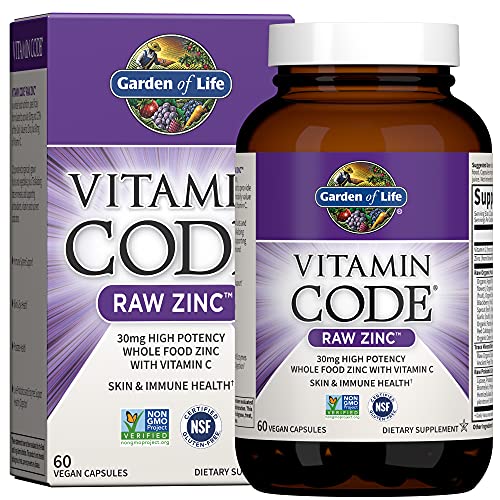
Supplement Facts
Serving Size: 1 Softgel
Amount Per Serving
%DV
Zinc (from 150 mg Zinc Bisglycinate) (TRAACS™)
30 mg
273%
Pumpkin Seed Oil (Cold Pressed)
250 mg
†
Top Medical Research Studies
9
We investigated how zinc affects heartburn through the case of a 76-year-old Japanese man who experienced significant discomfort after undergoing a total gastrectomy. For two weeks, he suffered from a sore throat, heartburn, and difficulty swallowing. Endoscopy revealed deep, craterlike ulcers in his esophagus, but tests for viral infections were negative.
After initial treatment, his symptoms returned, prompting further investigation. Eventually, we found that his serum zinc level was low at 38 µg/dL, which led to a diagnosis of zinc deficiency. Following oral zinc supplementation, the patient reported relief from his symptoms and a noticeable improvement in the esophageal ulcers observed during a follow-up endoscopy.
Over the five years since his treatment, the patient has continued to take zinc supplements and has not faced similar issues again. This case suggests that zinc can play a crucial role in treating heartburn issues related to ulcers, especially in those with a deficiency.
After initial treatment, his symptoms returned, prompting further investigation. Eventually, we found that his serum zinc level was low at 38 µg/dL, which led to a diagnosis of zinc deficiency. Following oral zinc supplementation, the patient reported relief from his symptoms and a noticeable improvement in the esophageal ulcers observed during a follow-up endoscopy.
Over the five years since his treatment, the patient has continued to take zinc supplements and has not faced similar issues again. This case suggests that zinc can play a crucial role in treating heartburn issues related to ulcers, especially in those with a deficiency.
Read More
Most Useful Reviews
9
Heartburn improvement
3 people found this helpful
Easy to take with a soft gel. As a man in my 40s, I take 1 tablet daily after meals. If I experience heartburn, I take it with a vitamin C capsule, which helps improve my energy. I noticed my erections became firmer after taking it.
Read More
9
No heartburn experienced
Excellent! This is the best zinc form I’ve tried—lightweight and does not cause heartburn. It has boosted immunity, especially for my aunt after her surgery.
Read More
9
No nausea noted
I find the shape nice, and it doesn’t cause heartburn. We take it after meals and haven’t noticed any nausea, which can occur with other zinc products.
Read More


Medical Researches
SCIENTIFIC SCORE
Likely Very Effective
Based on 1 Research
9
- All Researches
9
We investigated how zinc affects heartburn through the case of a 76-year-old Japanese man who experienced significant discomfort after undergoing a total gastrectomy. For two weeks, he suffered from a sore throat, heartburn, and difficulty swallowing. Endoscopy revealed deep, craterlike ulcers in his esophagus, but tests for viral infections were negative.
After initial treatment, his symptoms returned, prompting further investigation. Eventually, we found that his serum zinc level was low at 38 µg/dL, which led to a diagnosis of zinc deficiency. Following oral zinc supplementation, the patient reported relief from his symptoms and a noticeable improvement in the esophageal ulcers observed during a follow-up endoscopy.
Over the five years since his treatment, the patient has continued to take zinc supplements and has not faced similar issues again. This case suggests that zinc can play a crucial role in treating heartburn issues related to ulcers, especially in those with a deficiency.
After initial treatment, his symptoms returned, prompting further investigation. Eventually, we found that his serum zinc level was low at 38 µg/dL, which led to a diagnosis of zinc deficiency. Following oral zinc supplementation, the patient reported relief from his symptoms and a noticeable improvement in the esophageal ulcers observed during a follow-up endoscopy.
Over the five years since his treatment, the patient has continued to take zinc supplements and has not faced similar issues again. This case suggests that zinc can play a crucial role in treating heartburn issues related to ulcers, especially in those with a deficiency.
Read More
User Reviews
USERS' SCORE
Good
Based on 9 Reviews
8.3
- All Reviews
- Positive Reviews
- Negative Reviews
9
Heartburn improvement
3 people found this helpful
Easy to take with a soft gel. As a man in my 40s, I take 1 tablet daily after meals. If I experience heartburn, I take it with a vitamin C capsule, which helps improve my energy. I noticed my erections became firmer after taking it.
Read More
9
No heartburn experienced
Excellent! This is the best zinc form I’ve tried—lightweight and does not cause heartburn. It has boosted immunity, especially for my aunt after her surgery.
Read More
9
No nausea noted
I find the shape nice, and it doesn’t cause heartburn. We take it after meals and haven’t noticed any nausea, which can occur with other zinc products.
Read More
9
Heartburn relieved
Switching to this zinc was a relief. I previously suffered from heartburn and stomach discomfort with regular zinc, even when taken after meals. Since switching, those symptoms have disappeared. This is my top recommendation among various zinc types.
Read More
9
Heartburn vanished
My husband had prostatitis that was unresponsive to other treatments. However, after a course of Zinc glycinate, he saw noticeable improvement. He took one capsule daily for two months, and his heartburn also disappeared, enhancing his immunity.
Read More
Frequently Asked Questions
9
Heartburn relieved
Switching to this zinc was a relief. I previously suffered from heartburn and stomach discomfort with regular zinc, even when taken after meals. Since switching, those symptoms have disappeared. This is my top recommendation among various zinc types.
9
Heartburn vanished
My husband had prostatitis that was unresponsive to other treatments. However, after a course of Zinc glycinate, he saw noticeable improvement. He took one capsule daily for two months, and his heartburn also disappeared, enhancing his immunity.
7.5
Heartburn manageable
Taking zinc on an empty stomach caused me heartburn, but now I take it about 30 minutes after a meal. I’m happy with the results and would gladly repurchase.
9
No nausea noted
I find the shape nice, and it doesn’t cause heartburn. We take it after meals and haven’t noticed any nausea, which can occur with other zinc products.
9
Heartburn improvement
3 people found this helpful
Easy to take with a soft gel. As a man in my 40s, I take 1 tablet daily after meals. If I experience heartburn, I take it with a vitamin C capsule, which helps improve my energy. I noticed my erections became firmer after taking it.
9
We investigated how zinc affects heartburn through the case of a 76-year-old Japanese man who experienced significant discomfort after undergoing a total gastrectomy. For two weeks, he suffered from a sore throat, heartburn, and difficulty swallowing. Endoscopy revealed deep, craterlike ulcers in his esophagus, but tests for viral infections were negative.
After initial treatment, his symptoms returned, prompting further investigation. Eventually, we found that his serum zinc level was low at 38 µg/dL, which led to a diagnosis of zinc deficiency. Following oral zinc supplementation, the patient reported relief from his symptoms and a noticeable improvement in the esophageal ulcers observed during a follow-up endoscopy.
Over the five years since his treatment, the patient has continued to take zinc supplements and has not faced similar issues again. This case suggests that zinc can play a crucial role in treating heartburn issues related to ulcers, especially in those with a deficiency.
After initial treatment, his symptoms returned, prompting further investigation. Eventually, we found that his serum zinc level was low at 38 µg/dL, which led to a diagnosis of zinc deficiency. Following oral zinc supplementation, the patient reported relief from his symptoms and a noticeable improvement in the esophageal ulcers observed during a follow-up endoscopy.
Over the five years since his treatment, the patient has continued to take zinc supplements and has not faced similar issues again. This case suggests that zinc can play a crucial role in treating heartburn issues related to ulcers, especially in those with a deficiency.
References
- Hayashi A, Taki Y, Arai K, Sato S, Higashizono K, et al. Esophageal ulcer related to zinc deficiency following a total gastrectomy. Nutrition. 2023;110:111999. 10.1016/j.nut.2023.111999
Data last updated:

