Last update
8/16/2026
Reviewed By
Overview
SCIENTIFIC SCORE
Moderately Effective
Based on 2 Researches
8
USERS' SCORE
Moderately Good
Based on 4 Reviews
7.8

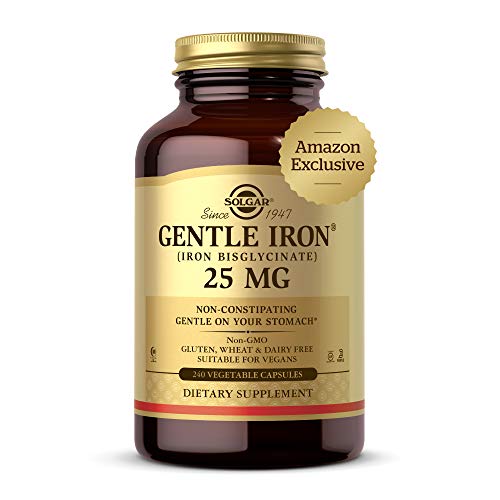
Supplement Facts
Serving Size: 1 Vegetable Capsule
Amount Per Serving
%DV
Iron (as iron bisglycinate chelate†)
25 mg
139%
Top Medical Research Studies
9
We investigated the role of dietary iron in recovery from colitis, specifically focusing on its effects in weaned mice. The study involved two groups of mice fed different diets: one with a regular amount of iron and another enriched with significantly more iron. After two weeks on their respective diets, both groups were subjected to dextran sodium sulfate (DSS) treatment to induce colitis.
Throughout the recovery phase, we observed that the iron-enriched diet proved especially beneficial for the weaned mice. By day three of recovery, those on the iron diet showed less weight loss, shorter colon lengths, and less damage to intestinal structure compared to their counterparts. Iron not only promoted the vitality of intestinal stem cells but also helped maintain the integrity of the intestinal lining.
Furthermore, analyses of organoids revealed that the iron diet stimulated the expression of certain genes involved in differentiation and metabolism, which suggests a deeper mechanism at play. Overall, this study indicates that dietary iron may significantly enhance the repair of intestinal injuries and support the regeneration of healthy tissue following inflammation.
Throughout the recovery phase, we observed that the iron-enriched diet proved especially beneficial for the weaned mice. By day three of recovery, those on the iron diet showed less weight loss, shorter colon lengths, and less damage to intestinal structure compared to their counterparts. Iron not only promoted the vitality of intestinal stem cells but also helped maintain the integrity of the intestinal lining.
Furthermore, analyses of organoids revealed that the iron diet stimulated the expression of certain genes involved in differentiation and metabolism, which suggests a deeper mechanism at play. Overall, this study indicates that dietary iron may significantly enhance the repair of intestinal injuries and support the regeneration of healthy tissue following inflammation.
Read More
7
We aimed to investigate how iron depletion influences the development and recovery phases of experimental colitis, a condition closely tied to inflammation in the intestine. By using a compound called deferoxamine to deplete iron at various stages of colitis induced by dextran sulfate sodium, we were able to observe the effects on colon health and the behavior of intestinal stem cells.
Our findings revealed that the timing of iron depletion is crucial. When applied at different phases of colitis, it significantly affected the health outcomes. For instance, we noted changes in the intestinal barrier, stem cell function, and overall inflammation levels, indicating that iron plays a complex role in both the worsening and healing processes of colitis.
This study points to iron metabolism as a potential therapeutic target for treating inflammatory bowel disease (IBD) in clinical settings, emphasizing the need for a balanced approach to iron management during treatment.
Our findings revealed that the timing of iron depletion is crucial. When applied at different phases of colitis, it significantly affected the health outcomes. For instance, we noted changes in the intestinal barrier, stem cell function, and overall inflammation levels, indicating that iron plays a complex role in both the worsening and healing processes of colitis.
This study points to iron metabolism as a potential therapeutic target for treating inflammatory bowel disease (IBD) in clinical settings, emphasizing the need for a balanced approach to iron management during treatment.
Read More
Most Useful Reviews
9
Gentle and effective
I bought this for my brother, who has ulcerative colitis and struggles with iron absorption. Most iron supplements upset his stomach or aren't absorbed well; however, this one is very effective. He experienced no side effects or nausea, and his energy levels improved after a few weeks. It's mild yet effective – I highly recommend it for anyone dealing with digestive issues or inflammatory bowel disease!
Read More
9
Effective iron supplement
1 people found this helpful
Fantastic product! I extensively searched for iron for my grandmother, who has low hemoglobin, atrophic gastritis, and colitis. This supplement does not induce unpleasant sensations or have a metallic taste. She takes a therapeutic dose of 100 mg daily. Within a month, her hemoglobin levels rose from 58 g/l to 79 g/l. We will continue the treatment.
Read More
7.5
Positive effects noted
I purchased this for my husband, who suffers from ulcerative colitis. Due to substantial blood loss, I recommend iron supplements. The composition is excellent and beneficial, and the quality is undoubtedly good.
Read More


Medical Researches
SCIENTIFIC SCORE
Moderately Effective
Based on 2 Researches
8
- All Researches
9
We investigated the role of dietary iron in recovery from colitis, specifically focusing on its effects in weaned mice. The study involved two groups of mice fed different diets: one with a regular amount of iron and another enriched with significantly more iron. After two weeks on their respective diets, both groups were subjected to dextran sodium sulfate (DSS) treatment to induce colitis.
Throughout the recovery phase, we observed that the iron-enriched diet proved especially beneficial for the weaned mice. By day three of recovery, those on the iron diet showed less weight loss, shorter colon lengths, and less damage to intestinal structure compared to their counterparts. Iron not only promoted the vitality of intestinal stem cells but also helped maintain the integrity of the intestinal lining.
Furthermore, analyses of organoids revealed that the iron diet stimulated the expression of certain genes involved in differentiation and metabolism, which suggests a deeper mechanism at play. Overall, this study indicates that dietary iron may significantly enhance the repair of intestinal injuries and support the regeneration of healthy tissue following inflammation.
Throughout the recovery phase, we observed that the iron-enriched diet proved especially beneficial for the weaned mice. By day three of recovery, those on the iron diet showed less weight loss, shorter colon lengths, and less damage to intestinal structure compared to their counterparts. Iron not only promoted the vitality of intestinal stem cells but also helped maintain the integrity of the intestinal lining.
Furthermore, analyses of organoids revealed that the iron diet stimulated the expression of certain genes involved in differentiation and metabolism, which suggests a deeper mechanism at play. Overall, this study indicates that dietary iron may significantly enhance the repair of intestinal injuries and support the regeneration of healthy tissue following inflammation.
Read More
7
We aimed to investigate how iron depletion influences the development and recovery phases of experimental colitis, a condition closely tied to inflammation in the intestine. By using a compound called deferoxamine to deplete iron at various stages of colitis induced by dextran sulfate sodium, we were able to observe the effects on colon health and the behavior of intestinal stem cells.
Our findings revealed that the timing of iron depletion is crucial. When applied at different phases of colitis, it significantly affected the health outcomes. For instance, we noted changes in the intestinal barrier, stem cell function, and overall inflammation levels, indicating that iron plays a complex role in both the worsening and healing processes of colitis.
This study points to iron metabolism as a potential therapeutic target for treating inflammatory bowel disease (IBD) in clinical settings, emphasizing the need for a balanced approach to iron management during treatment.
Our findings revealed that the timing of iron depletion is crucial. When applied at different phases of colitis, it significantly affected the health outcomes. For instance, we noted changes in the intestinal barrier, stem cell function, and overall inflammation levels, indicating that iron plays a complex role in both the worsening and healing processes of colitis.
This study points to iron metabolism as a potential therapeutic target for treating inflammatory bowel disease (IBD) in clinical settings, emphasizing the need for a balanced approach to iron management during treatment.
Read More
User Reviews
USERS' SCORE
Moderately Good
Based on 4 Reviews
7.8
- All Reviews
- Positive Reviews
- Negative Reviews
9
Gentle and effective
I bought this for my brother, who has ulcerative colitis and struggles with iron absorption. Most iron supplements upset his stomach or aren't absorbed well; however, this one is very effective. He experienced no side effects or nausea, and his energy levels improved after a few weeks. It's mild yet effective – I highly recommend it for anyone dealing with digestive issues or inflammatory bowel disease!
Read More
9
Effective iron supplement
1 people found this helpful
Fantastic product! I extensively searched for iron for my grandmother, who has low hemoglobin, atrophic gastritis, and colitis. This supplement does not induce unpleasant sensations or have a metallic taste. She takes a therapeutic dose of 100 mg daily. Within a month, her hemoglobin levels rose from 58 g/l to 79 g/l. We will continue the treatment.
Read More
7.5
Positive effects noted
I purchased this for my husband, who suffers from ulcerative colitis. Due to substantial blood loss, I recommend iron supplements. The composition is excellent and beneficial, and the quality is undoubtedly good.
Read More
0
Not suitable iron
1 people found this helpful
I was recommended this iron supplement, but regrettably it did not suit me. It caused pain in my stomach and intestines, nausea, exacerbated my colitis, and led to constipation. I attempted to take it on an empty stomach, during meals, and also with vitamin C, but the outcome remained unchanged. Unfortunately, the price is quite high. Regarding the product itself: the manufacturer is reputable and trustworthy; the iron form is very digestible; it's packaged in sturdy glass; the capsules are small and easy to swallow with a subtle iron taste. Regrettably, I cannot recommend it.
Read More
Frequently Asked Questions
9
Gentle and effective
I bought this for my brother, who has ulcerative colitis and struggles with iron absorption. Most iron supplements upset his stomach or aren't absorbed well; however, this one is very effective. He experienced no side effects or nausea, and his energy levels improved after a few weeks. It's mild yet effective – I highly recommend it for anyone dealing with digestive issues or inflammatory bowel disease!
9
Effective iron supplement
1 people found this helpful
Fantastic product! I extensively searched for iron for my grandmother, who has low hemoglobin, atrophic gastritis, and colitis. This supplement does not induce unpleasant sensations or have a metallic taste. She takes a therapeutic dose of 100 mg daily. Within a month, her hemoglobin levels rose from 58 g/l to 79 g/l. We will continue the treatment.
0
Not suitable iron
1 people found this helpful
I was recommended this iron supplement, but regrettably it did not suit me. It caused pain in my stomach and intestines, nausea, exacerbated my colitis, and led to constipation. I attempted to take it on an empty stomach, during meals, and also with vitamin C, but the outcome remained unchanged. Unfortunately, the price is quite high. Regarding the product itself: the manufacturer is reputable and trustworthy; the iron form is very digestible; it's packaged in sturdy glass; the capsules are small and easy to swallow with a subtle iron taste. Regrettably, I cannot recommend it.
9
We investigated the role of dietary iron in recovery from colitis, specifically focusing on its effects in weaned mice. The study involved two groups of mice fed different diets: one with a regular amount of iron and another enriched with significantly more iron. After two weeks on their respective diets, both groups were subjected to dextran sodium sulfate (DSS) treatment to induce colitis.
Throughout the recovery phase, we observed that the iron-enriched diet proved especially beneficial for the weaned mice. By day three of recovery, those on the iron diet showed less weight loss, shorter colon lengths, and less damage to intestinal structure compared to their counterparts. Iron not only promoted the vitality of intestinal stem cells but also helped maintain the integrity of the intestinal lining.
Furthermore, analyses of organoids revealed that the iron diet stimulated the expression of certain genes involved in differentiation and metabolism, which suggests a deeper mechanism at play. Overall, this study indicates that dietary iron may significantly enhance the repair of intestinal injuries and support the regeneration of healthy tissue following inflammation.
Throughout the recovery phase, we observed that the iron-enriched diet proved especially beneficial for the weaned mice. By day three of recovery, those on the iron diet showed less weight loss, shorter colon lengths, and less damage to intestinal structure compared to their counterparts. Iron not only promoted the vitality of intestinal stem cells but also helped maintain the integrity of the intestinal lining.
Furthermore, analyses of organoids revealed that the iron diet stimulated the expression of certain genes involved in differentiation and metabolism, which suggests a deeper mechanism at play. Overall, this study indicates that dietary iron may significantly enhance the repair of intestinal injuries and support the regeneration of healthy tissue following inflammation.
7
We aimed to investigate how iron depletion influences the development and recovery phases of experimental colitis, a condition closely tied to inflammation in the intestine. By using a compound called deferoxamine to deplete iron at various stages of colitis induced by dextran sulfate sodium, we were able to observe the effects on colon health and the behavior of intestinal stem cells.
Our findings revealed that the timing of iron depletion is crucial. When applied at different phases of colitis, it significantly affected the health outcomes. For instance, we noted changes in the intestinal barrier, stem cell function, and overall inflammation levels, indicating that iron plays a complex role in both the worsening and healing processes of colitis.
This study points to iron metabolism as a potential therapeutic target for treating inflammatory bowel disease (IBD) in clinical settings, emphasizing the need for a balanced approach to iron management during treatment.
Our findings revealed that the timing of iron depletion is crucial. When applied at different phases of colitis, it significantly affected the health outcomes. For instance, we noted changes in the intestinal barrier, stem cell function, and overall inflammation levels, indicating that iron plays a complex role in both the worsening and healing processes of colitis.
This study points to iron metabolism as a potential therapeutic target for treating inflammatory bowel disease (IBD) in clinical settings, emphasizing the need for a balanced approach to iron management during treatment.
References
- Zeng X, Yin L, Zhang Y, Wang Q, Li J, et al. Dietary Iron Alleviates Dextran Sodium Sulfate-Induced Intestinal Injury by Regulating Regeneration of Intestinal Stem Cells in Weaned Mice. Biol Trace Elem Res. 2025. 10.1007/s12011-025-04546-9
- Wang S, Liu X, Xu L, Lang J, Liu D. Phase-dependent iron depletion differentially regulates the niche of intestinal stem cells in experimental colitis via ERK/STAT3 signaling pathway. Front Immunol. 2025;16:1537651. 10.3389/fimmu.2025.1537651

