Last update
7/1/2026
Reviewed By
Overview
SCIENTIFIC SCORE
Moderately Effective
Based on 3 Researches
8.2
USERS' SCORE
Good
Based on 108 Reviews
8

Supplement Facts
Serving Size: 3 Vegetarian Capsules
Amount Per Serving
%DV
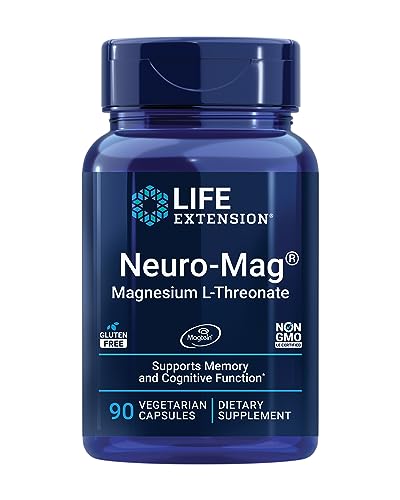
Magnesium (from 2,000 mg Magtein® magnesium L-threonate)
144 mg
34%
Top Medical Research Studies
7
Magnesium reduces brain injury markers
We examined how intravenous magnesium sulfate (MgSO4) affects patients undergoing surgery for brain tumors. Sixty patients were divided into two groups: one received magnesium treatment, while the other received a placebo.
The results showed that magnesium lowered significant protein levels linked to brain injury after surgery. However, it didn’t substantially change the overall functional outcomes for the patients. While MgSO4 appears safe and beneficial in reducing specific markers, more research is necessary to fully grasp magnesium's role in brain injury recovery.
The results showed that magnesium lowered significant protein levels linked to brain injury after surgery. However, it didn’t substantially change the overall functional outcomes for the patients. While MgSO4 appears safe and beneficial in reducing specific markers, more research is necessary to fully grasp magnesium's role in brain injury recovery.
Read More
9.5
Magnesium's role in brain tumor treatment
We explored the relationship between low magnesium levels and the development of posterior reversible encephalopathy syndrome (PRES) in a patient with advanced breast cancer. After treatment with diuretics and chemotherapy, this patient experienced serious neurological symptoms alongside low magnesium levels.
Following intravenous magnesium supplementation, the patient showed remarkable improvement within 18 hours. This suggests that low magnesium, potentially linked to her treatment regimens, might have played a role in her condition. Thus, monitoring magnesium levels could be crucial in cancer care.
Following intravenous magnesium supplementation, the patient showed remarkable improvement within 18 hours. This suggests that low magnesium, potentially linked to her treatment regimens, might have played a role in her condition. Thus, monitoring magnesium levels could be crucial in cancer care.
Read More
8
We explored how magnesium sulfide nanoparticles (MgS NPs) affect the SH-SY5Y neuroblastoma cell line, which is a significant challenge in treating brain cancer. Using a green synthesis method, we created MgS NPs and tested their effects in cultured cells.
When applied at various doses, we observed that 75 µg/mL MgS NPs reduced cancer cell viability by nearly half. The treatment also increased oxidant levels in the cells, aligning with our findings from cytotoxicity tests. Overall, it appears that MgS NPs effectively hinder the growth of neuroblastoma cells.
When applied at various doses, we observed that 75 µg/mL MgS NPs reduced cancer cell viability by nearly half. The treatment also increased oxidant levels in the cells, aligning with our findings from cytotoxicity tests. Overall, it appears that MgS NPs effectively hinder the growth of neuroblastoma cells.
Read More
Most Useful Reviews
9
Boosts calmness
137 people found this helpful
I really liked this form of magnesium. It positively affects brain functioning, enhancing calmness and concentration, leading to better memory quickly.
Read More
9
Supports cognitive health
118 people found this helpful
Magnesium is a vital mineral essential for brain function. It enhances memory and cognitive performance, and Neuro-Mag provides effective support for maintaining brain health. The quality is excellent!
Read More
9
Highly recommended magnesium
109 people found this helpful
This superb magnesium, prescribed by our doctor, has a direct effect on the brain. It's worth the money.
Read More



Medical Researches
SCIENTIFIC SCORE
Moderately Effective
Based on 3 Researches
8.2
- All Researches
9.5
Magnesium's role in brain tumor treatment
We explored the relationship between low magnesium levels and the development of posterior reversible encephalopathy syndrome (PRES) in a patient with advanced breast cancer. After treatment with diuretics and chemotherapy, this patient experienced serious neurological symptoms alongside low magnesium levels.
Following intravenous magnesium supplementation, the patient showed remarkable improvement within 18 hours. This suggests that low magnesium, potentially linked to her treatment regimens, might have played a role in her condition. Thus, monitoring magnesium levels could be crucial in cancer care.
Following intravenous magnesium supplementation, the patient showed remarkable improvement within 18 hours. This suggests that low magnesium, potentially linked to her treatment regimens, might have played a role in her condition. Thus, monitoring magnesium levels could be crucial in cancer care.
Read More
8
We explored how magnesium sulfide nanoparticles (MgS NPs) affect the SH-SY5Y neuroblastoma cell line, which is a significant challenge in treating brain cancer. Using a green synthesis method, we created MgS NPs and tested their effects in cultured cells.
When applied at various doses, we observed that 75 µg/mL MgS NPs reduced cancer cell viability by nearly half. The treatment also increased oxidant levels in the cells, aligning with our findings from cytotoxicity tests. Overall, it appears that MgS NPs effectively hinder the growth of neuroblastoma cells.
When applied at various doses, we observed that 75 µg/mL MgS NPs reduced cancer cell viability by nearly half. The treatment also increased oxidant levels in the cells, aligning with our findings from cytotoxicity tests. Overall, it appears that MgS NPs effectively hinder the growth of neuroblastoma cells.
Read More
7
Magnesium reduces brain injury markers
We examined how intravenous magnesium sulfate (MgSO4) affects patients undergoing surgery for brain tumors. Sixty patients were divided into two groups: one received magnesium treatment, while the other received a placebo.
The results showed that magnesium lowered significant protein levels linked to brain injury after surgery. However, it didn’t substantially change the overall functional outcomes for the patients. While MgSO4 appears safe and beneficial in reducing specific markers, more research is necessary to fully grasp magnesium's role in brain injury recovery.
The results showed that magnesium lowered significant protein levels linked to brain injury after surgery. However, it didn’t substantially change the overall functional outcomes for the patients. While MgSO4 appears safe and beneficial in reducing specific markers, more research is necessary to fully grasp magnesium's role in brain injury recovery.
Read More
User Reviews
USERS' SCORE
Good
Based on 108 Reviews
8
- All Reviews
- Positive Reviews
- Negative Reviews
9
Boosts calmness
137 people found this helpful
I really liked this form of magnesium. It positively affects brain functioning, enhancing calmness and concentration, leading to better memory quickly.
Read More
9
Supports cognitive health
118 people found this helpful
Magnesium is a vital mineral essential for brain function. It enhances memory and cognitive performance, and Neuro-Mag provides effective support for maintaining brain health. The quality is excellent!
Read More
9
Highly recommended magnesium
109 people found this helpful
This superb magnesium, prescribed by our doctor, has a direct effect on the brain. It's worth the money.
Read More
7.5
Better memory recall
44 people found this helpful
I took this magnesium for emotional stress, fatigue, and sleep issues. Taking 2 capsules before bed greatly enhanced my sleep quality, allowing me to fall asleep faster and respond more calmly to stress. Magnesium L-threonate penetrates the brain effectively, improving cognitive performance, particularly in memory and sleep quality. After two maternity leaves, my memory deteriorated, but I genuinely feel it's improving thanks to this magnesium!
Read More
8
Relaxation assistance
38 people found this helpful
Best magnesium on the market! I have tried many forms of magnesium, and this is by far the best. You can almost feel it working through the brain. I've recommended it to many; it relaxes me completely and helps me fall asleep every time.
Read More
Frequently Asked Questions
7.5
Reduces anxiety
274 people found this helpful
This special magnesium enhances brain activity, alleviates anxiety, and stabilises mood. While taking it, I learned the importance of hydration for better effects. Today marks my last day, and I’ve observed significant improvements in clarity and sleep quality.
9
Improves learning ability
229 people found this helpful
I chose this magnesium specifically for my child following brain surgeries and anaesthesia, which impacted learning. Magnesium is essential for nerve transmission, and this product enhances memory, improving learning ability and promoting new nerve cell formation. Highly recommended!
8
We explored how magnesium sulfide nanoparticles (MgS NPs) affect the SH-SY5Y neuroblastoma cell line, which is a significant challenge in treating brain cancer. Using a green synthesis method, we created MgS NPs and tested their effects in cultured cells.
When applied at various doses, we observed that 75 µg/mL MgS NPs reduced cancer cell viability by nearly half. The treatment also increased oxidant levels in the cells, aligning with our findings from cytotoxicity tests. Overall, it appears that MgS NPs effectively hinder the growth of neuroblastoma cells.
When applied at various doses, we observed that 75 µg/mL MgS NPs reduced cancer cell viability by nearly half. The treatment also increased oxidant levels in the cells, aligning with our findings from cytotoxicity tests. Overall, it appears that MgS NPs effectively hinder the growth of neuroblastoma cells.
9.5
Magnesium's role in brain tumor treatment
We explored the relationship between low magnesium levels and the development of posterior reversible encephalopathy syndrome (PRES) in a patient with advanced breast cancer. After treatment with diuretics and chemotherapy, this patient experienced serious neurological symptoms alongside low magnesium levels.
Following intravenous magnesium supplementation, the patient showed remarkable improvement within 18 hours. This suggests that low magnesium, potentially linked to her treatment regimens, might have played a role in her condition. Thus, monitoring magnesium levels could be crucial in cancer care.
Following intravenous magnesium supplementation, the patient showed remarkable improvement within 18 hours. This suggests that low magnesium, potentially linked to her treatment regimens, might have played a role in her condition. Thus, monitoring magnesium levels could be crucial in cancer care.
7
Magnesium reduces brain injury markers
We examined how intravenous magnesium sulfate (MgSO4) affects patients undergoing surgery for brain tumors. Sixty patients were divided into two groups: one received magnesium treatment, while the other received a placebo.
The results showed that magnesium lowered significant protein levels linked to brain injury after surgery. However, it didn’t substantially change the overall functional outcomes for the patients. While MgSO4 appears safe and beneficial in reducing specific markers, more research is necessary to fully grasp magnesium's role in brain injury recovery.
The results showed that magnesium lowered significant protein levels linked to brain injury after surgery. However, it didn’t substantially change the overall functional outcomes for the patients. While MgSO4 appears safe and beneficial in reducing specific markers, more research is necessary to fully grasp magnesium's role in brain injury recovery.
References
- Nalci OB, Nadaroglu H, Genc S, Hacimuftuoglu A, Alayli A. The effects of MgS nanoparticles-Cisplatin-bio-conjugate on SH-SY5Y neuroblastoma cell line. Mol Biol Rep. 2020;47:9715. 10.1007/s11033-020-05987-2
- Zappia F, Verzicco I, Simoni R, Ferrari M, Coghi P, et al. Posterior reversible encephalopathy syndrome in an oncological normotensive patient: evidence for a pathogenic role of concomitant low magnesium serum levels and chemotherapy treatment. Acta Biomed. 2020;91:365. 10.23750/abm.v91i2.8685
- Mirrahimi B, Mortazavi A, Nouri M, Ketabchi E, Amirjamshidi A, et al. Effect of magnesium on functional outcome and paraclinical parameters of patients undergoing supratentorial craniotomy for brain tumors: a randomized controlled trial. Acta Neurochir (Wien). 2015;157:985. 10.1007/s00701-015-2376-x

